
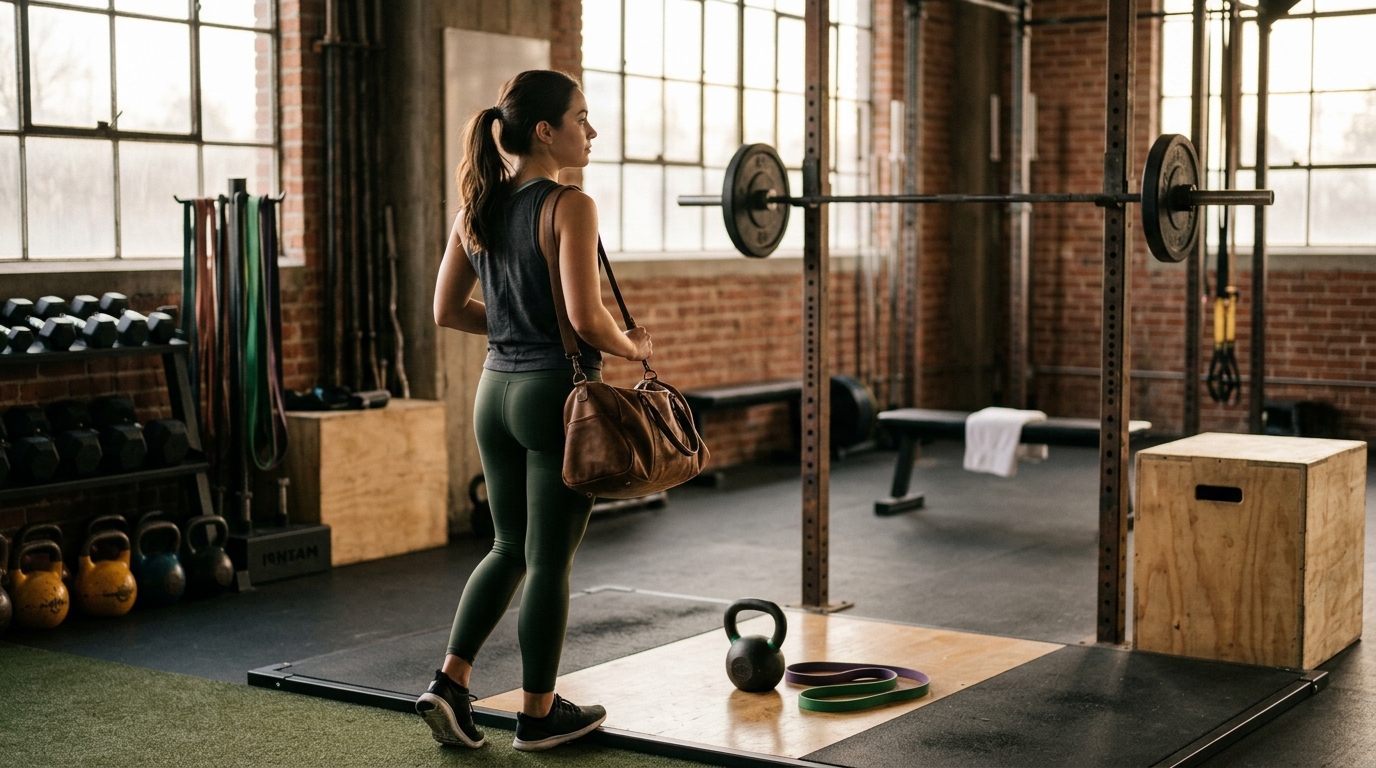
Walking into a gym for the first time can feel overwhelming. The equipment looks unfamiliar, online advice is contradictory, and you're not sure whether to pick up a barbell or hop on a rowing machine. The good news? Strength and conditioning training doesn't have to be complicated — and it's one of the most effective ways to build a healthier, more capable body regardless of your starting point.
This guide breaks down the types of beginner-friendly strength and conditioning workouts available, explains how to choose the right one for your goals, and gives you practical steps to get started safely.
What Is Strength and Conditioning Training?
Strength and conditioning is a structured approach to fitness that combines two complementary elements. Strength training uses resistance — barbells, dumbbells, kettlebells, cables, or bodyweight — to increase muscle force, coordination, and control. Conditioning trains the heart, lungs, and energy systems through intervals, sled pushes, circuits, or steady cardio.
Unlike random high-intensity sessions that make you sweat but don't necessarily help you progress, strength and conditioning is built around progression, balance, and recovery. It targets both physical performance and injury prevention, creating a balanced body rather than just a tired one.
Why Beginners Should Start with Strength and Conditioning
Whether you're an aspiring athlete or someone simply looking to feel better in daily life, a structured program delivers measurable benefits early on:
- Increased muscle and metabolism: As your muscle mass increases, your body requires more energy to maintain it, resulting in a higher calorie burn even at rest.
- Stronger bones: The stress placed on bones during resistance training encourages the body to fortify bone density, which can reduce the risk of osteoporosis later in life.
- Better cardiovascular fitness: Many strength and conditioning exercises elevate your heart rate, improving circulation and increasing overall endurance.
- Injury prevention: Strengthening stabilizer muscles and improving joint health protects your body from common injuries.
- Mental resilience: Pushing through structured workouts builds discipline and mental toughness that carries into every area of life.
- Improved sleep: Regular physical activity has been shown to help you fall asleep faster and enjoy deeper sleep cycles.
5 Types of Beginner Strength and Conditioning Workouts
Not all programs look the same. Here are five common formats that work well for people just getting started.
1. Full-Body Bodyweight Sessions
Bodyweight training is the ideal starting point. Mastering movements like squats, lunges, push-ups, and planks is critical because these form the foundation for all future exercises. A typical session might include three sets of 8–12 reps per movement with 60–90 seconds of rest between sets.
Sample movements:
- Air squats (3 × 12)
- Reverse lunges (3 × 10 per leg)
- Push-ups or knee push-ups (3 × 8–12)
- Planks (3 × 30 seconds)
- Dead bugs (3 × 8 per side)
These exercises require little to no equipment and can be done anywhere — making them perfect for building confidence before entering a gym.
2. Dumbbell and Kettlebell Strength Circuits
Once bodyweight movements feel comfortable, adding external load is the next progression. Dumbbells and kettlebells are beginner-friendly tools that allow you to load movements gradually. A kettlebell primer, for instance, introduces essential movements to help you develop power, stability, and control.
Sample circuit (3–4 rounds):
- Goblet squats × 10
- Dumbbell rows × 8 per arm
- Kettlebell deadlifts × 10
- Dumbbell overhead press × 8
- Farmer's carries × 40 meters
3. Barbell Compound Lift Programs
Barbell training focuses on compound, multi-joint movements — squats, deadlifts, bench press, and overhead press — that recruit multiple muscle groups simultaneously, making them efficient and effective. For beginners, a full-body strength program performed 2–3 times per week is ideal. Focus on technique before adding weight; poor form can lead to injuries, especially in compound lifts.
Key principles:
- Start with an empty barbell or light weight to master movement patterns
- Apply progressive overload — gradually add small amounts of weight each week
- Keep sessions under 60 minutes
- Rest 2–3 minutes between heavy sets
4. Conditioning and HIIT Workouts
Conditioning develops your aerobic and anaerobic energy systems. There are several formats suitable for beginners:
- Steady-state cardio: Activities like jogging, cycling, or rowing at a consistent pace — great for building aerobic capacity.
- HIIT: Short bursts of intense effort followed by rest, such as 30-second sprints followed by 90 seconds of walking for 8–10 rounds.
- Circuit training: Combining strength and cardio with minimal rest — for example, performing push-ups, squats, and burpees back to back.
A good beginner conditioning workout lasts 15–30 minutes and uses the talk test to gauge intensity: moderate effort lets you talk but not sing, while vigorous effort limits conversation to a few words.
5. Blended Group Fitness Classes
Group classes that mix bodyweight mobility, weighted strength exercises, and endurance-based conditioning offer a well-rounded introduction. These sessions typically combine a warm-up, a strength block, a conditioning segment, and a cool-down — all coached in real time with modifications for every level.
This format works especially well for beginners because certified trainers provide guidance, encouragement, and modifications throughout the session, so you never have to figure things out on your own.
How to Structure Your First Training Week
A realistic beginner week balances effort and recovery. Here's a template based on training 3–4 days per week:
| Day | Focus | Duration |
|---|---|---|
| Monday | Full-body strength (squat, hinge, push, pull) | 45 min |
| Tuesday | Rest or light walk | — |
| Wednesday | Conditioning intervals + mobility | 30 min |
| Thursday | Rest | — |
| Friday | Full-body strength (variation of Monday) | 45 min |
| Saturday | Light conditioning or group class | 30 min |
| Sunday | Rest and recovery | — |
Essential Principles Every Beginner Should Follow
Master Form Before Adding Load
Before piling on the plates, ensure your technique is solid. Consider working with a coach or trainer to learn the basics — especially for compound lifts like squats and deadlifts where mistakes carry higher injury risk.
Apply Progressive Overload Gradually
To see continued results, you need to increase the demand on your muscles over time. This can mean adding weight, increasing reps, or improving technique. Even adding just 0.5–1 kg to the bar each session can make a meaningful difference for beginners.
Prioritize Recovery
You don't get stronger when you lift — you get stronger when you rest. Your muscles grow during recovery, not during the workout. Aim for 7–9 hours of sleep per night, eat enough protein, and take rest days seriously. Massages, foam rolling, stretching, and percussive therapy can also support recovery.
Stay Consistent Over Intense
Training three times a week for six months will give you better results than training intensely for two weeks and then quitting. Show up regularly, work hard, and be patient — strength is built over time, not overnight.
What to Look for in a Beginner-Friendly Gym
The right environment makes all the difference, especially when you're starting out. Look for:
- Scalable programming that accommodates beginners, intermediates, and advanced athletes in the same session
- Qualified coaches who prioritize safe, effective movement and provide individual feedback
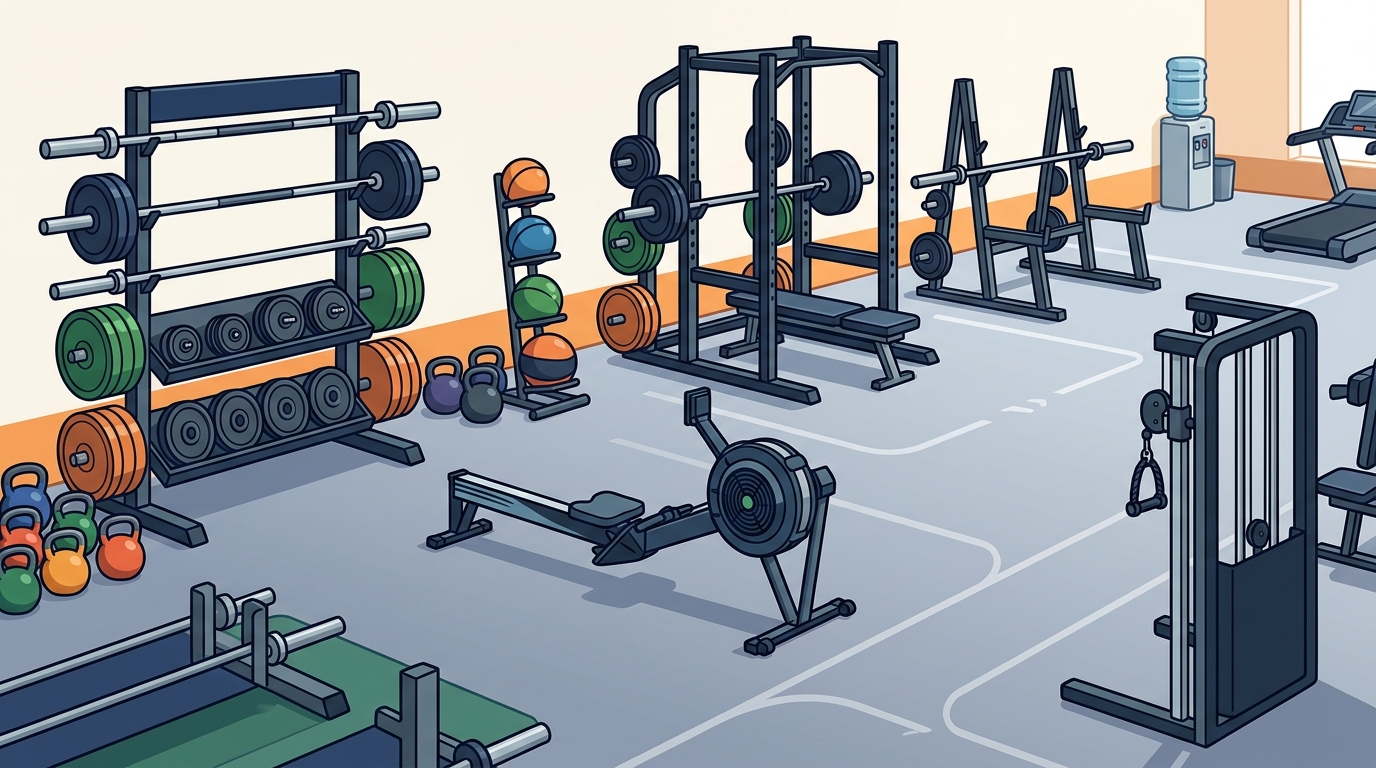
- Quality equipment — rigs, barbells, kettlebells, rowers, and functional training tools
- A welcoming culture where kindness and support are valued as much as performance
- Goal tracking — regular assessments and check-ins to measure progress
At Colfax Strong Strength & Conditioning in Denver, programs are designed to meet people exactly where they are. The gym welcomes members of all fitness levels — from complete beginners to seasoned athletes — with scalable group classes, personal training, and semi-private sessions inside a 9,000 sq. ft. facility equipped with premium Rogue equipment. Every membership includes access to group classes, open gym, regular InBody scans, and personalized goal reviews every 90 days.
Training at Altitude: A Note for Denver Beginners
If you're training in Denver at 5,280 feet, your body works harder to deliver oxygen to muscles. When starting out, lower your intensity by 10–15% for the first 1–2 weeks and focus on hydration and recovery. As your body acclimates, you can gradually increase effort — and you'll likely find that altitude adaptation makes you fitter over time.
Key Takeaways
- Strength and conditioning combines resistance training with cardiovascular conditioning for balanced, functional fitness.
- Beginners should start with bodyweight movements and progress to loaded exercises once form is mastered.
- Five accessible workout types include bodyweight sessions, dumbbell/kettlebell circuits, barbell programs, HIIT/conditioning, and blended group classes.
- Progressive overload, proper recovery, and consistency matter more than intensity.
- Working with a qualified coach accelerates progress and reduces injury risk.
- Training 3–4 days per week is sufficient for meaningful beginner results.
Frequently Asked Questions
Do I need to be in shape before starting strength and conditioning?
Not at all. These programs are designed to meet you where you are. Quality gyms offer scalable workouts so every session can be adjusted to your current fitness level.
How many days per week should a beginner train?
Two to three days of strength training per week is ideal for beginners. You can add one or two light conditioning sessions as your fitness improves.
What equipment do I need to start?
You can begin with nothing but your own body weight. As you progress, basic equipment like dumbbells, a kettlebell, or a pull-up bar allows you to add variety and load.
How long before I see results?
Most beginners notice improvements in energy, mood, and movement quality within 2–3 weeks. Visible strength and body composition changes typically emerge around weeks 6–8 with consistent training.
Is strength and conditioning only for athletes?
Absolutely not. Strength and conditioning is for anyone who wants to move better, stay healthy, and keep up with life outside the gym. It benefits busy adults, older adults, and anyone looking to build lasting fitness.
Can I do strength and conditioning at home?
Yes. Bodyweight workouts, dumbbell circuits, and conditioning intervals can all be performed at home. However, working with a coach — even remotely — helps ensure proper form and effective programming.