
Beginner-Friendly Strength Training in Denver: Your Complete Guide
Starting a strength training program can feel intimidating, especially in a fitness-obsessed city like Denver. Between altitude adjustments, unfamiliar equipment, and gyms packed with experienced lifters, many beginners never make it past the front door. The good news? Denver has coaching-focused facilities that specialize in meeting you exactly where you are. This guide breaks down what beginner-friendly strength training actually looks like, why expert coaching matters, and how to find a Denver gym that prioritizes your safety and progress from day one.
What Is Strength Training?
Strength training is any type of exercise that involves your own body weight or equipment to build muscle mass, endurance, and strength. It includes bodyweight exercises, free weights, resistance bands, kettlebells, and machines. Unlike cardio-only routines, strength training follows the principle of progressive overload, which means gradually increasing demands on your muscles so they continue to adapt.
According to the Mayo Clinic, you can see significant improvement in your strength with just two or three 20- to 30-minute sessions per week. That accessibility makes it ideal for beginners who worry about time commitments.
Why Beginners Need Professional Coaching
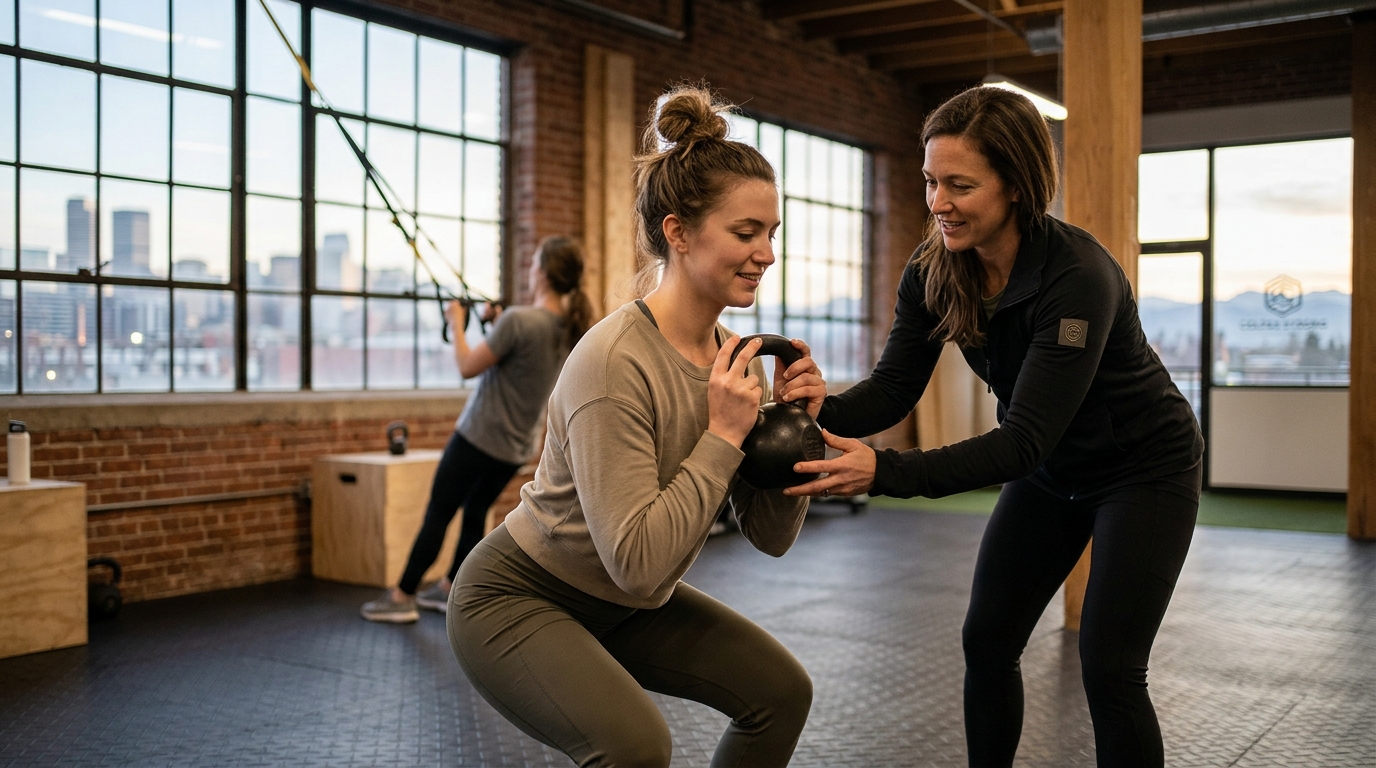
Walking into a gym without guidance often leads to poor form, frustration, or injury. A certified coach watches your movement, catches compensations you cannot feel yourself, and teaches you to move safely under load. That attention to detail is the difference between building strength sustainably and dealing with nagging pain.
Accountability Changes Everything
Scheduled sessions with a trainer create real commitment. It is harder to skip a 6 AM session when someone expects you there. Over time, that external accountability becomes internal motivation. At Colfax Strong's personal training program, every workout plan is built specifically for your goals, preferences, and abilities.
Form Before Load
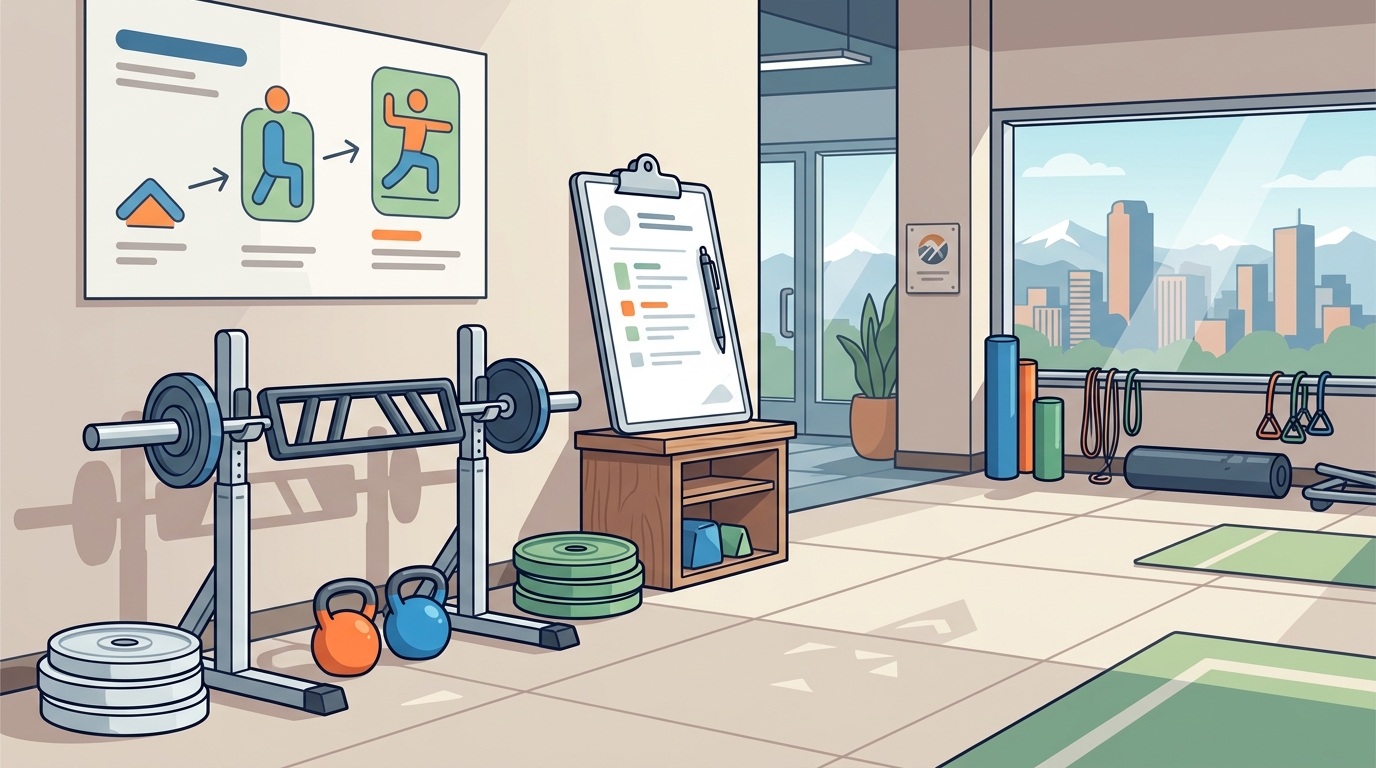
Progressive overload is the gradual increase of weight, reps, or intensity to keep your body adapting. But for beginners, mastering movement patterns first is essential. A qualified coach ensures you learn proper squat depth, hip hinge mechanics, and pressing form before adding significant weight.
Proven Health Benefits of Strength Training
The evidence for strength training is overwhelming. A review published in the British Journal of Sports Medicine (cited by Harvard Health) found that strength training is linked to a 10% to 17% lower overall risk of early death. Benefits extend well beyond aesthetics.
| Benefit | What the Research Says | Source |
|---|---|---|
| Bone Density | Resistance training preserves bone density and reduces osteoporosis risk | UCLA Health |
| Heart Health | Lower risk of cardiovascular disease with regular sessions | Harvard T.H. Chan School |
| Metabolic Rate | Muscle tissue increases resting calorie burn for hours post-workout | Healthline |
| Mental Health | Reduces depression and improves self-confidence | National Institute on Aging |
| Functional Strength | Makes daily tasks like carrying groceries and climbing stairs easier | Mayo Clinic |
For beginners, these benefits can appear within weeks. Industry benchmarks suggest clients see a 15 to 25 percent average strength increase in just 12 weeks of consistent, coached training.
Program Formats for Denver Beginners
Not every training format suits every person. Understanding your options helps you choose the right entry point.
Personal Training
Personal training is one-on-one coaching tailored entirely to you. At Colfax Strong, personal training sessions include customized programming, regular InBody scans to track progress, and flexible scheduling throughout the day. This format is ideal if you want maximum attention and a plan that evolves as you do.
Semi-Private Training
Semi-private training is a small-group format that delivers personalized coaching at a lower price point than one-on-one sessions. You still receive individualized programming while training alongside a few others. Colfax Strong's semi-private program balances accountability and affordability, making it one of their most popular options.
Group Fitness Classes
Group fitness classes offer a lower-barrier entry point for people who thrive in a team setting. At Colfax Strong, classes blend strength training, conditioning, and skills with certified trainers who provide modifications for all levels. These sessions build community while keeping you challenged.
What to Look for in a Beginner-Friendly Denver Gym
Denver has plenty of fitness options, but quality strength training requires more than rows of treadmills. Here are the factors that matter most for beginners:
- Certified coaches: Look for credentials like the CSCS from the National Strength and Conditioning Association, degrees in exercise science, or equivalent certifications.
- Scalable programming: Every workout should be adjustable to your current fitness level. At Colfax Strong, all classes are individually scaled to your particular fitness ability.
- Structured onboarding: A good gym offers a free intro session or consultation before throwing you into a class.
- Clean, well-equipped facility: Premium equipment from brands like Rogue, dedicated training areas, and professional maintenance make a difference in your experience.
- Community culture: A welcoming atmosphere matters. The gym should feel inclusive regardless of your age, background, or experience.
Colfax Strong checks every one of these boxes with a 9,000-square-foot facility in downtown Denver at 1516 North Emerson Street, premium Rogue equipment, and a coaching team that has worked with complete beginners, seniors, and people recovering from injuries.
Training at Denver's Altitude: What Beginners Should Know
Denver sits at 5,280 feet above sea level, and altitude affects how your body responds to exercise. Beginners should lower training intensity by 10 to 15 percent for the first one to two weeks and prioritize hydration and recovery. A knowledgeable Denver coach will account for altitude in your programming automatically.
This is another reason why coached training beats going solo. An experienced trainer adjusts your session if you are feeling fatigued from altitude, a stressful work week, or simply being new to exercise. Learn more about balancing strength and conditioning at altitude on the Colfax Strong blog.
Key Takeaways
- Strength training is safe and effective for all fitness levels when guided by a certified coach.
- Just two to three sessions per week can produce measurable strength gains within 12 weeks.
- Semi-private training offers the best balance of personalized coaching and affordability for beginners.
- Denver's altitude requires intentional adjustments that experienced local coaches handle naturally.
- A structured onboarding process, like a free intro session, separates great gyms from average ones.
- Health benefits include reduced disease risk, stronger bones, improved mood, and better daily function.
- Community and culture matter just as much as equipment when choosing your gym.
Frequently Asked Questions
Do I need to be in shape before starting strength training?
Not at all. Beginner-friendly gyms like Colfax Strong welcome members of all fitness levels, from complete beginners to seasoned athletes. Every program is scalable to your current abilities.
How often should a beginner train?
The U.S. Department of Health and Human Services recommends strength training exercises for all major muscle groups at least two times per week. Most beginners see great results with two to four coached sessions weekly.
What is the difference between personal training and semi-private training?
Personal training is a fully individualized one-on-one session. Semi-private training is a small-group format where each participant follows their own customized plan while sharing the session with a few others, making it more affordable.
Will strength training make me bulky?
No. Building significant muscle mass requires very specific programming, high calorie intake, and years of dedicated effort. Beginner programs focus on building functional strength, improving body composition, and boosting confidence.
How do I get started at Colfax Strong?
You can schedule a free intro session to tour the gym, discuss your goals, and explore which program format fits you best.
Does altitude affect my workouts?
Yes. At 5,280 feet, Denver's altitude can reduce exercise capacity initially. Experienced coaches adjust intensity during your first few weeks and emphasize hydration and recovery.
What equipment does Colfax Strong use?
The facility features premium Rogue equipment, including barbells, dumbbells, kettlebells, rowing machines, bikes, and a dedicated open gym area across 9,000 square feet of professionally maintained space.
Does Colfax Strong offer nutrition coaching?
Yes. Their nutrition coaching program provides personalized guidance to help you create sustainable eating habits that align with your fitness and strength goals.
Ready to Start Your Strength Training Journey?
Take the first step today. Book a free intro session at Colfax Strong to meet the coaching team, tour the 9,000 sq. ft. facility, and build a plan tailored to your goals. No experience required, just the willingness to show up.