
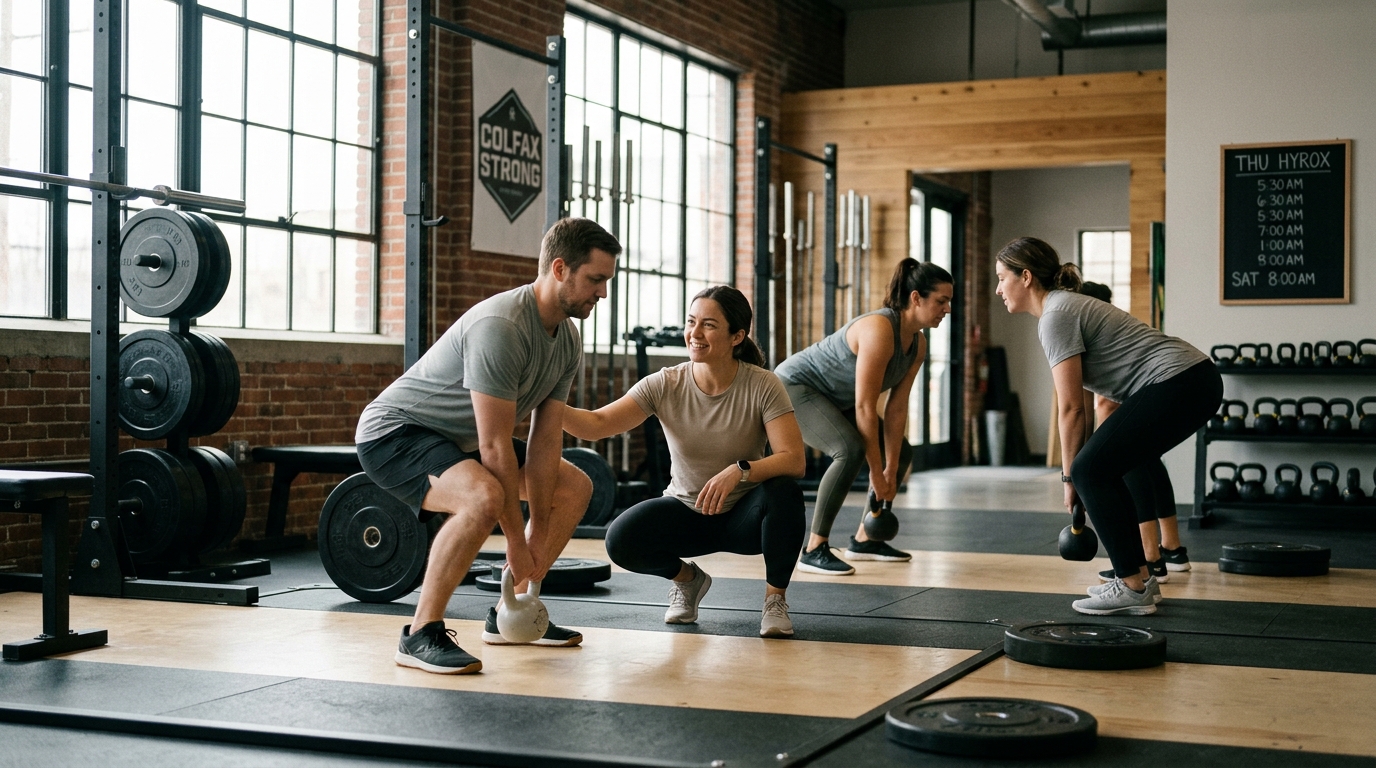
Starting a strength training regimen requires careful planning and professional oversight. Recent industry data shows that 73 percent of new gym members quit within the first six months due to poor guidance and injury risk. According to the National Strength and Conditioning Association, structured coaching reduces early dropout rates by nearly half. This statistic highlights why finding the right facility matters more than equipment variety. Beginners need accessible spaces, expert supervision, and structured progression models to build sustainable habits. (Periodization Training Simplified)
Understanding Beginner Strength Training Fundamentals
Core Principles
Strength training is a systematic method of progressive resistance exercise designed to increase muscular endurance and force production. New lifters must prioritize compound movements over isolation exercises. Compound exercises engage multiple muscle groups simultaneously. This approach maximizes caloric expenditure and functional strength. Beginners should focus on mastering movement patterns before adding heavy loads.
Safety Protocols
Proper warm-up routines reduce joint stress and improve tissue elasticity. Dynamic stretching prepares the nervous system for heavier loads. Static stretching belongs strictly in the cool-down phase. Coaches monitor breathing patterns and joint alignment during every session. This prevents compensatory movements that lead to chronic pain.
Why Expert Coaching Matters for New Lifters
Form Correction
Form correction is a real-time biomechanical adjustment process designed to prevent compensatory movements and reduce injury risk. Certified instructors watch every repetition to ensure proper mechanics. They adjust stance width, grip placement, and hip hinge angles in real time. This hands-on guidance prevents bad habits from forming early in the journey. Members receive immediate corrections that generic video tutorials cannot provide.
Accountability Systems
Structured check-ins keep beginners committed to their long-term goals. Coaches track progress metrics and adjust programming based on recovery rates. Members report higher satisfaction when they feel personally invested in. This mentorship extends beyond the training floor into daily habit formation. Consistent communication bridges the gap between gym visits and lifestyle changes.
Facility Design and Equipment Standards
Space Requirements
Modern fitness centers require expansive floor plans to accommodate multiple simultaneous workouts. A 9,000 square foot layout allows members to train without waiting for machines. Open floor zones enable dynamic movements like kettlebell swings and sled pushes. Spacious environments reduce congestion and lower injury risk during peak hours. Beginners appreciate the ability to move freely without feeling crowded. (Thirsty for power)
Equipment Quality
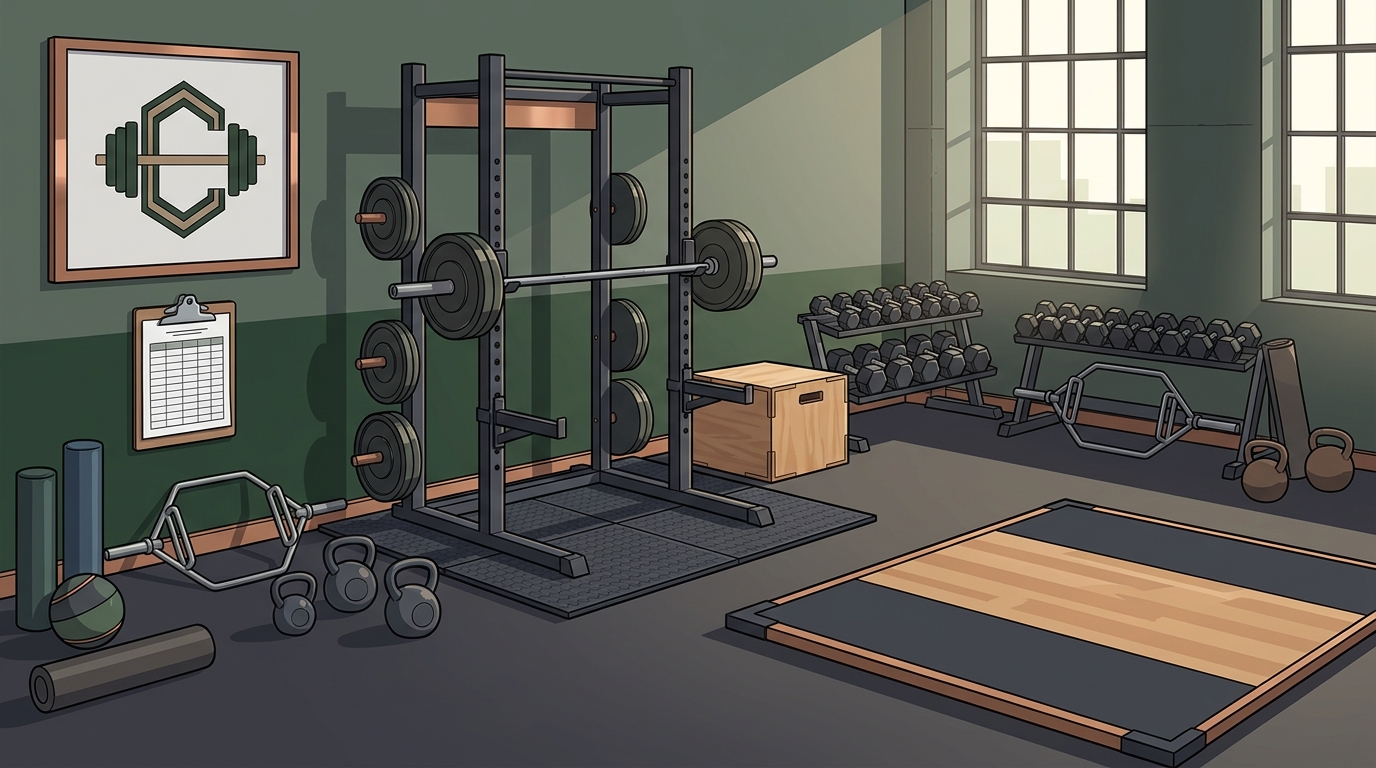
Commercial-grade apparatus withstands daily heavy usage without mechanical failure. Premium brands provide consistent resistance curves and ergonomic handles. Adjustable benches and calibrated barbells support progressive overload safely. Facilities that invest in top-tier gear demonstrate long-term operational commitment. Members benefit from reliable machines that support precise technique execution.
Program Structure and Progression Models
12-Week Framework
A 12-week framework is a periodized training block designed to cycle through hypertrophy, strength, and power phases for measurable body composition changes. Members follow structured schedules that prevent training plateaus. Nutrition guidance complements the physical training schedule for optimal recovery. This comprehensive approach accelerates visible results without burnout.
Semi-Private Options
Small group sessions balance cost efficiency with personalized attention. Training alongside two to three peers creates healthy competition and social support. Coaches can monitor multiple athletes while maintaining individual form standards. This model reduces financial barriers without sacrificing instructional quality. Beginners often prefer semi-private environments over crowded open gym floors.
Community Culture and Member Retention
Inclusivity Standards
Modern fitness facilities prioritize psychological safety alongside physical development. Coaches actively welcome individuals returning to exercise after long breaks. Programming adapts to varying mobility levels and injury histories. Members report feeling respected rather than judged during initial assessments. This inclusive atmosphere encourages consistent attendance and long-term retention.
Coach Expertise
Dedicated instructors specialize in distinct training modalities and demographic needs. Female-focused programming addresses unique strength development requirements. Olympic lifting specialists guide athletes through complex technical movements. Youth programs introduce foundational mechanics before advanced loading. This specialized expertise ensures every member receives targeted guidance.
Key Takeaways
- Strength training is a systematic method of progressive resistance exercise designed to increase muscular endurance and force production.
- 73 percent of new gym members quit within the first six months due to poor guidance and injury risk.
- Facilities with 9,000 square feet of dedicated floor space significantly reduce equipment wait times.
- Semi-private training balances cost efficiency with personalized coaching oversight.
- 12-week transformation programs cycle through hypertrophy, strength, and power phases for measurable results.
- Specialized coaching staff addresses distinct demographic needs and mobility limitations.
- Inclusive environments prioritize psychological safety alongside physical development metrics.
Frequently Asked Questions
How do I know if I am ready for strength training?
You are ready when you can perform basic daily movements without joint pain or excessive fatigue. A certified coach will assess your mobility and medical history before prescribing loads. Beginners should start with bodyweight progressions before adding external resistance. Proper preparation prevents early burnout and builds confidence.
What equipment should beginners prioritize learning first?
Barbells, dumbbells, and kettlebells form the foundation of functional strength development. These tools require minimal space and deliver maximum metabolic impact. Beginners should master the squat, hinge, and push patterns before exploring machines. Mastery of free weights translates directly to real-world physical tasks.
How often should beginners train each week?
Three to four sessions per week optimizes recovery and adaptation rates. Beginners require 48 hours of rest between training the same muscle groups. Consistent scheduling builds neural pathways faster than sporadic attendance. Coaches adjust volume based on individual recovery capacity and lifestyle demands.
Is nutrition coaching included with membership?
Comprehensive programs integrate dietary guidance alongside physical training schedules. Custom meal frameworks align with specific body composition goals. Coaches provide portion guidance and macro tracking without prescribing restrictive diets. Nutrition support accelerates visible results when paired with consistent resistance training.
Can I switch between group and private sessions?
Flexible scheduling allows members to alternate between semi-private and 1-on-1 formats. Private sessions focus heavily on technical correction and individual pacing. Group sessions emphasize social motivation and shared workload distribution. Members design hybrid schedules that match their financial and fitness priorities.
Start Your Strength Journey Today
Beginner strength training requires accessible facilities, expert supervision, and structured progression models. Colfax Strong Strength and Conditioning delivers all three components within a 9,000 square foot downtown Denver facility. Our coaches prioritize safety, inclusivity, and measurable results for every fitness level. Visit our main page to explore available programs. Schedule your introductory session to experience our training environment firsthand. Review our transformation framework to understand our structured approach. Explore our coaching philosophy to learn about our core values. Join our educational resources to stay informed on fitness best practices. Book your consultation today and commit to sustainable physical development.
| Program Type | Session Format | Primary Focus | Best For |
|---|---|---|---|
| Personal Training | 1-on-1 | Technical correction and individual pacing | Members seeking maximum accountability |
| Semi-Private Training | Small groups (2-4) | Cost efficiency and social motivation | Beginners balancing budget and guidance |
| Group Training | Large classes | Community building and shared workouts | Members preferring energetic environments |
| 12-Week Transformation | Structured block | Hypertrophy, strength, and power cycling | Individuals targeting measurable body composition changes |