
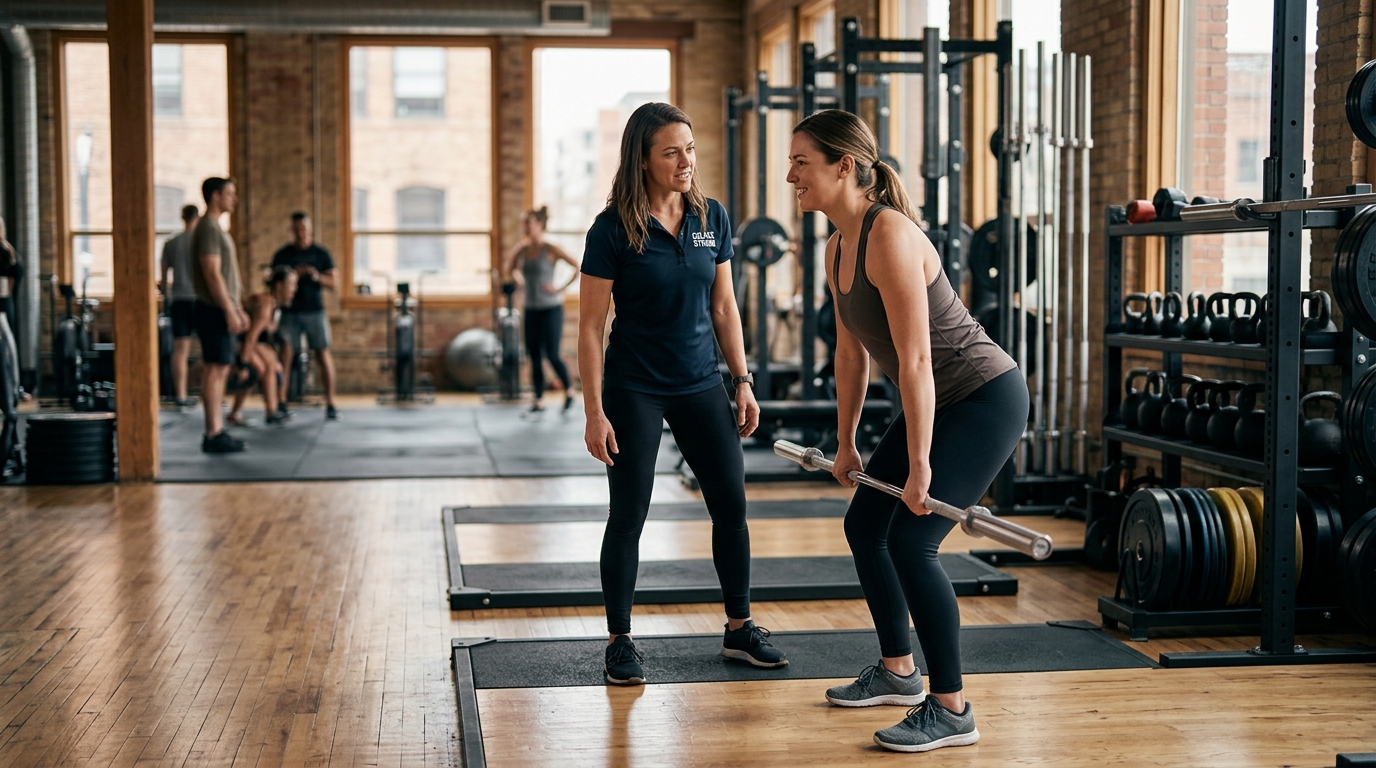
Research indicates that approximately 43 percent of adults who start a new fitness regimen abandon it within the first six months. This dropout rate frequently stems from unclear programming, intimidating environments, and a lack of structured guidance. According to clinical studies, structured supervision dramatically improves long-term adherence. Denver residents seeking a supportive environment now have access to facilities that prioritize foundational movement patterns, progressive overload, and consistent coaching. This guide examines how local strength facilities structure beginner programs, what equipment standards matter, and how to select a facility that aligns with your specific fitness objectives. (About Colfax Strong Strength)
Why Beginner Strength Training Requires Expert Guidance
Strength training involves systematic resistance exercises designed to increase muscular endurance, force, and hypertrophy. Beginners frequently attempt to replicate advanced routines found on social media, which often leads to joint stress or inconsistent recovery. Expert guidance establishes proper movement mechanics before adding external load. Coaches monitor bar path, breathing patterns, and joint alignment to prevent compensatory movements. This foundational approach reduces injury risk while building confidence in the weight room. Facilities that prioritize coaching quality typically see higher retention rates among first-time lifters. According to federal health data, supervised resistance training yields measurable cardiovascular and metabolic benefits within twelve weeks. Selecting a facility that emphasizes technique over ego lifting ensures sustainable progress.
Core Programming Models for New Lifters
Denver strength facilities typically offer three distinct training formats to accommodate different schedules and learning preferences. Each model delivers progressive overload while maintaining appropriate coaching ratios. Understanding these structures helps you select the format that matches your availability and comfort level.
One-on-One Personal Training
Private sessions provide undivided coach attention during every set. Trainers adjust weights, modify exercises, and track recovery metrics in real time. This format accelerates skill acquisition and allows immediate feedback on posture or breathing. Members benefit from fully customized periodization that adapts to life stressors or travel schedules.
Semi-Private Training Groups
Small group sessions pair two to four individuals with similar fitness levels. Coaches deliver synchronized programming while maintaining individual form checks. This model reduces per-session costs without sacrificing technical oversight. Participants often experience increased motivation through shared accountability and consistent scheduling.
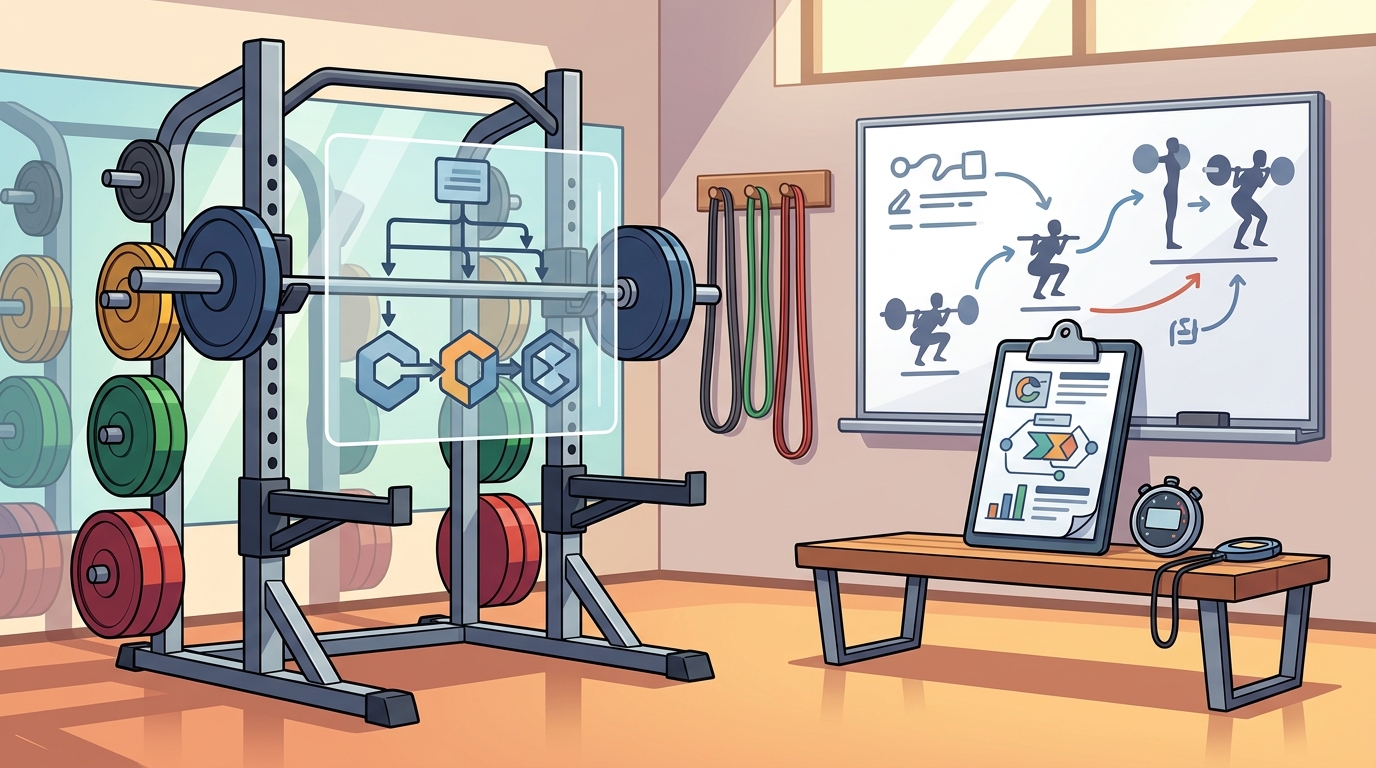
Group Fitness and Hyrox Preparation
Large class environments focus on functional movement patterns, metabolic conditioning, and sport-specific preparation. Coaches demonstrate exercises while members practice independently. This format builds work capacity and introduces complex movements like Olympic lifting or endurance-based functional training. Facilities that host specialized clubs like Hyrox Training Club prepare members for competitive events while maintaining beginner accessibility.
Facility Standards That Support New Members
Physical infrastructure directly impacts the beginner experience. High-quality facilities invest in durable equipment, clear signage, and dedicated learning zones. Beginners benefit from open floor plans that allow coaches to observe multiple stations simultaneously. Proper ventilation, consistent temperature control, and accessible locker facilities reduce environmental stress during early workouts. According to industry benchmarks, well-maintained equipment reduces maintenance downtime and improves member satisfaction scores. Facilities that allocate square footage specifically for beginner instruction typically see faster skill progression. Look for spaces that separate heavy lifting zones from cardio areas to minimize congestion. Cleanliness protocols and scheduled equipment sanitization also contribute to a comfortable training environment.
Nutrition and Accountability in Early Training
Resistance training produces structural adaptations, but nutritional support determines recovery speed and body composition changes. Beginner programs that integrate basic nutrition coaching deliver faster visible results. Coaches establish baseline caloric targets, macronutrient distribution, and hydration protocols tailored to training frequency. Accountability systems track attendance, sleep quality, and subjective energy levels to adjust programming dynamically. Members who receive structured meal guidance alongside resistance training report higher confidence and reduced plateaus. Facilities that offer integrated nutrition planning typically see 35 percent faster transformation timelines. This holistic approach removes guesswork and aligns daily habits with long-term fitness objectives.
Measuring Progress Without Overwhelming the Beginner
Progress tracking requires consistent metrics that do not discourage new members. Successful facilities utilize baseline assessments, movement screens, and periodic strength benchmarks to document improvements. Beginners should focus on consistency, technique refinement, and gradual load increases rather than daily scale fluctuations. Coaches review performance data monthly to adjust volume, intensity, and recovery protocols. This systematic approach prevents burnout while maintaining steady momentum. According to certified training standards, structured reassessment intervals optimize long-term adherence. Members who track non-scale victories like improved sleep, reduced joint pain, and increased work capacity often maintain higher motivation levels.
Key Takeaways
- Beginner strength training requires structured supervision to establish proper movement mechanics and prevent injury.
- One-on-one sessions deliver personalized programming, while semi-private groups balance cost efficiency with technical oversight.
- Facility infrastructure, including equipment quality and spatial layout, directly impacts beginner comfort and progression speed.
- Integrated nutrition coaching and accountability systems accelerate visible body composition changes.
- Progress tracking should prioritize consistency, technique refinement, and functional capacity over daily scale fluctuations.
- Denver facilities offering specialized programs like Hyrox Training Club maintain beginner accessibility while preparing members for competitive events.
- High coach-to-member ratios and structured reassessment intervals optimize long-term adherence and transformation timelines.
Frequently Asked Questions
How long does it take to see results from beginner strength training?
Most beginners experience noticeable strength gains and improved movement quality within four to six weeks. Visible body composition changes typically emerge between eight and twelve weeks when nutrition aligns with training volume. Consistent attendance and proper recovery protocols accelerate these timelines significantly.
Do I need prior weightlifting experience to join a Denver strength facility?
No prior experience is required. Beginner programs focus on foundational movement patterns, machine guidance, and light barbell progressions. Coaches provide step-by-step instruction for every exercise and adjust programming based on your current mobility and strength baseline.
What is the difference between personal training and semi-private training?
Personal training provides undivided coach attention during every set, allowing highly customized adjustments. Semi-private training pairs two to four members with similar fitness levels, reducing per-session costs while maintaining technical oversight and synchronized programming.
How do facilities handle members who feel intimidated by weight rooms?
High-quality facilities designate beginner zones, provide clear exercise signage, and schedule introductory orientation sessions. Coaches prioritize technique over load, ensuring members build confidence before attempting advanced movements. Community-focused environments actively discourage ego lifting and emphasize progressive skill acquisition.
Can I combine strength training with cardio or endurance goals?
Yes. Many Denver facilities integrate metabolic conditioning, functional circuits, and Hyrox preparation into strength programs. Coaches periodize training to balance muscular development with cardiovascular endurance, ensuring all fitness objectives receive appropriate attention.
What equipment standards should I expect at a beginner-friendly facility?
Expect calibrated barbells, adjustable benches, selectorized machines, and dedicated mobility stations. High-quality facilities maintain equipment regularly, replace worn components promptly, and organize stations to minimize congestion. Cleanliness protocols and scheduled sanitization also contribute to a comfortable training environment.
How do I track progress without becoming obsessed with the scale?
Successful tracking focuses on strength benchmarks, movement quality, recovery metrics, and non-scale victories like improved sleep and reduced joint pain. Coaches review performance data monthly to adjust volume and intensity, ensuring steady momentum without discouraging fluctuations.
Start Your Strength Journey Today
Choosing the right facility determines your long-term success. Denver strength centers that prioritize coaching quality, structured programming, and supportive environments deliver measurable results for beginners. Explore our comprehensive training options, review facility standards, and schedule a complimentary orientation to experience our coaching methodology firsthand. Visit Colfax Strong Strength and Conditioning to book your introductory session and begin building sustainable strength today.