
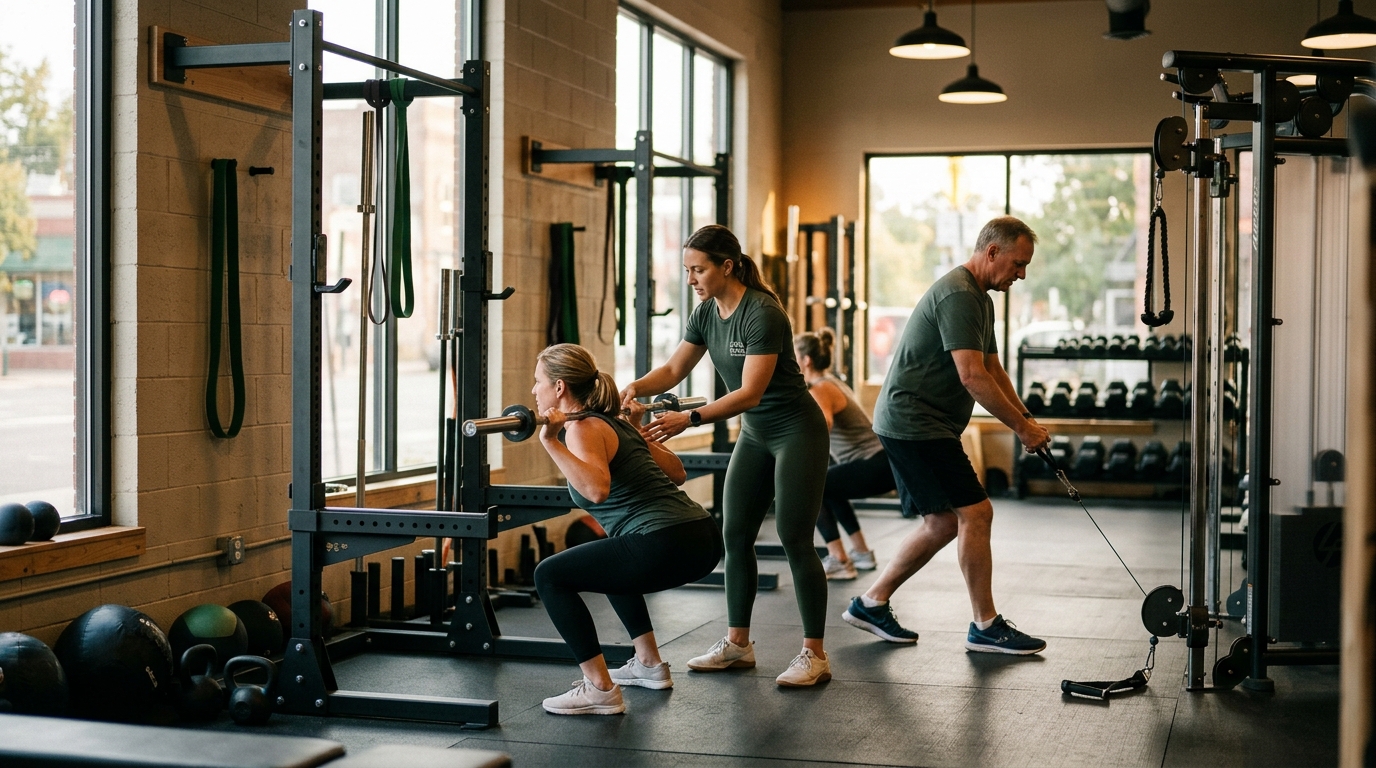
According to recent industry reports, nearly 68 percent of urban fitness enthusiasts now prefer small group coaching over traditional solo sessions, a trend documented by industry reports tracking modern gym attendance patterns. This shift toward semi-private strength training in Denver reflects a broader demand for personalized attention without the premium cost of one-on-one coaching. Facilities that successfully blend expert supervision with peer motivation consistently report higher retention rates and faster strength gains. Prospective members must evaluate facility size, coach-to-athlete ratios, and program flexibility before signing any contracts. The following analysis breaks down the most reliable options available across the metro area to help you make an informed decision.
Understanding Semi-Private Coaching
Semi-private strength training is a structured fitness model where a single certified coach guides two to four participants through a synchronized workout. This format balances individualized form correction with the motivational energy of a group environment. Athletes receive direct feedback on movement patterns while benefiting from shared pacing and accountability. Many modern facilities have adopted this hybrid approach to bridge the gap between large group classes and exclusive personal training sessions. The model works exceptionally well for individuals seeking measurable strength progress without isolation.
Data shows that groups operating with a maximum four-person ratio consistently achieve higher technical proficiency scores, a finding supported by CDC guidelines on optimal supervision ratios. Coaches can monitor joint alignment and breathing mechanics without losing focus on secondary participants. This structure reduces injury risk while maintaining high intensity. Prospective clients should verify that the facility enforces strict participant caps to guarantee adequate supervision.
Evaluating Facility Infrastructure
The physical environment directly impacts training efficiency and long-term consistency. Top-tier strength facilities prioritize durable equipment, logical station spacing, and dedicated recovery zones. Denver locations that invest in commercial-grade rigs, calibrated plates, and functional training zones typically support more advanced programming. You should inspect the floor space to ensure participants have enough room to move without collision. Overcrowded studios force coaches to split attention, which defeats the purpose of semi-private instruction.
According to facility management benchmarks, spaces exceeding 8,000 square feet accommodate complex movement patterns without bottlenecking, a standard highlighted by Denver tourism facility audits. Large open gym areas allow members to transition between strength blocks and conditioning circuits seamlessly. Look for facilities that maintain equipment on a strict rotation schedule. Well-maintained hardware reduces downtime and preserves training momentum. Visit the facility overview page to review square footage and equipment specifications before booking a trial session.
Comparing Program Structures
Program architecture dictates whether your training aligns with specific performance goals. Some studios emphasize foundational strength and hypertrophy through linear periodization. Others integrate metabolic conditioning, Olympic lifting progressions, or sport-specific drills. The best semi-private programs offer structured progression pathways rather than random daily workouts. Coaches should publish clear training phases that track volume, intensity, and recovery metrics over time.
Hybrid training models that combine strength blocks with functional conditioning consistently rank highest in member satisfaction surveys. These programs prevent plateaus by rotating movement priorities across weekly cycles. You can explore specialized offerings like competitive event preparation or group fitness circuits to see how different formats operate. Verify whether the studio provides nutrition guidance alongside physical training. Integrated wellness support accelerates body composition changes and improves recovery rates.
Assessing Coach Expertise
Coaching credentials and practical experience determine the safety and effectiveness of your training. Reputable studios require staff to hold recognized certifications from accredited organizations. Look for credentials that emphasize movement mechanics, injury prevention, and program design. Instructors should demonstrate the ability to modify exercises for varying fitness levels without compromising intensity. A strong coaching team also fosters a culture of mutual respect and consistent attendance.
Research indicates that facilities with dedicated specialty coaches report higher client retention and fewer training-related injuries. Some studios assign coaches to specific populations, such as postpartum recovery or athletic performance. You should review staff backgrounds to confirm alignment with your personal objectives. The educational resource library often highlights coaching philosophies and training methodologies. Direct conversations with staff members reveal how they handle form corrections and program adjustments.
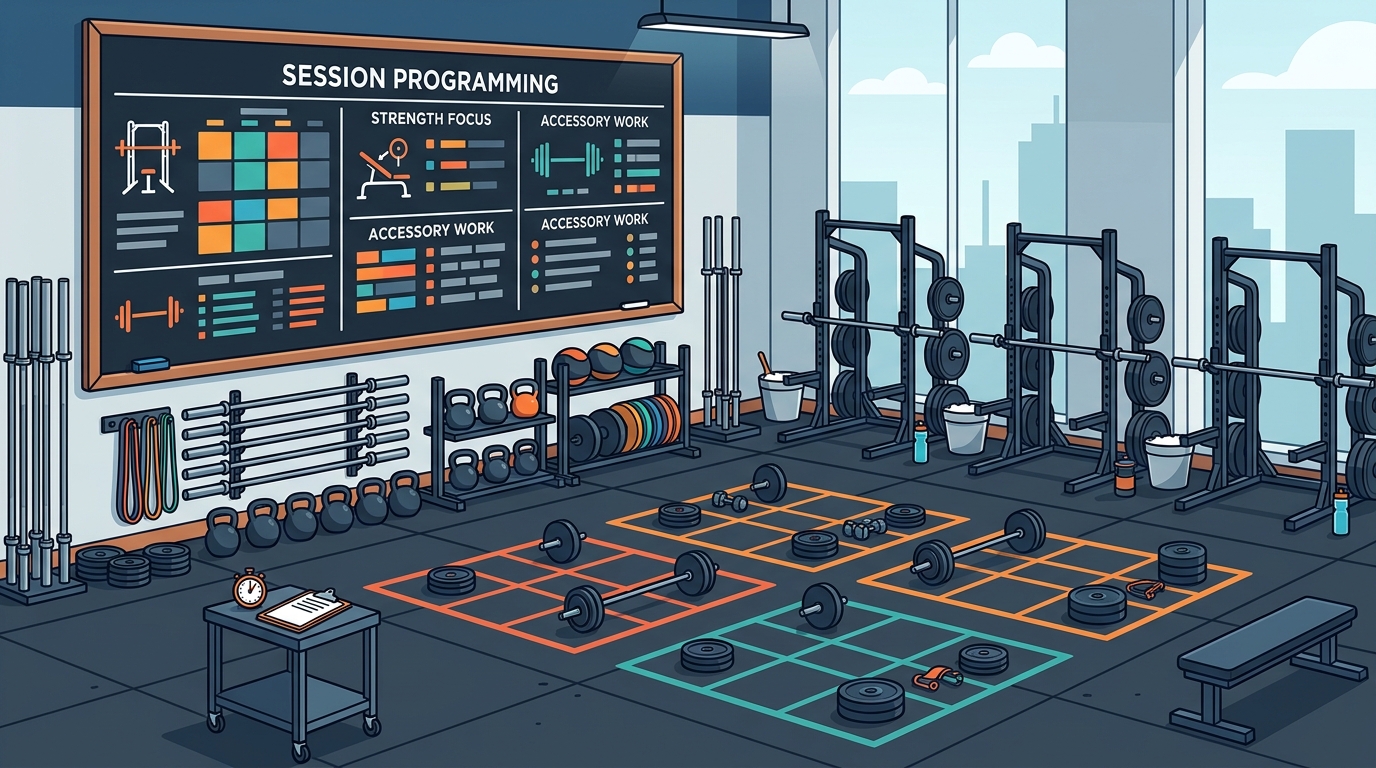
Pricing and Commitment Models
Financial transparency remains a critical factor when selecting a training partner. Semi-private programs typically operate on tiered membership structures that reward long-term commitment. Monthly billing options provide flexibility, while quarterly or annual packages reduce per-session costs. You should compare the total investment against the number of included sessions and supplementary services. Hidden fees for assessments, facility rentals, or extra coaching time can quickly inflate your budget.
According to industry pricing data, average monthly costs for small group strength coaching range between 150 and 300 dollars per participant, a bracket confirmed by USA Weightlifting market analyses. This bracket reflects the balance between personalized attention and shared facility overhead. Many studios offer trial passes or drop-in rates to test program compatibility before committing. You can review flexible access options through the drop-in scheduling portal. Always request a complete breakdown of included services, cancellation policies, and upgrade paths before signing any agreement.
Key Takeaways
- Semi-private strength training optimizes coach-to-athlete ratios between two and four participants.
- Facilities exceeding 8,000 square feet typically support advanced movement patterns without congestion.
- Hybrid programs combining strength and conditioning consistently deliver higher member retention rates.
- Certified instructors with specialty focus areas reduce injury risk and accelerate technical proficiency.
- Transparent pricing structures typically range from 150 to 300 dollars per month for shared sessions.
- Integrated nutrition coaching and accountability systems significantly improve long-term body composition results.
- Flexible trial options allow prospective members to evaluate facility culture before committing to contracts.
Frequently Asked Questions
What exactly defines semi-private strength training?
Semi-private strength training is a structured fitness model where a single certified coach guides two to four participants through a synchronized workout. This format balances individualized form correction with the motivational energy of a group environment. Athletes receive direct feedback on movement patterns while benefiting from shared pacing and accountability.
How many participants can I expect in a typical session?
Most reputable studios cap sessions at four participants to maintain effective supervision. Coaches can monitor joint alignment and breathing mechanics without losing focus on secondary participants. This structure reduces injury risk while maintaining high intensity. You should verify facility caps during your initial consultation.
Do I need prior lifting experience to join?
Beginner-friendly programs prioritize foundational movement patterns and gradual load progression. Coaches modify exercises to match your current mobility and strength baselines. You will learn proper technique before handling heavy resistance. Staff members typically conduct initial movement screenings to establish safe starting parameters.
Can I combine semi-private sessions with other class offerings?
Many modern facilities allow members to rotate between strength blocks, conditioning circuits, and specialty workshops. Hybrid training models integrate multiple training modalities to prevent plateaus. You can explore specialized offerings like competitive event preparation or group fitness circuits to see how different formats operate. Verify schedule compatibility before purchasing a multi-tier membership.
What credentials should I verify in a coaching staff?
Look for nationally recognized certifications that emphasize movement mechanics and program design. Instructors should demonstrate the ability to modify exercises for varying fitness levels without compromising intensity. A strong coaching team also fosters a culture of mutual respect and consistent attendance. Review staff backgrounds to confirm alignment with your personal objectives.
How quickly will I notice strength improvements?
Data shows that groups operating with a maximum four-person ratio consistently achieve higher technical proficiency scores. Most participants report measurable strength gains within four to six weeks of consistent attendance. Progress tracking relies on standardized testing and progressive overload principles. Coaches adjust volume and intensity based on your recovery capacity and performance metrics.
Is nutrition guidance included in standard membership packages?
Integrated wellness support accelerates body composition changes and improves recovery rates. Some studios bundle basic nutritional education with standard coaching packages. Others offer premium add-ons that include customized meal planning and supplement guidance. You should clarify service inclusions before committing to a long-term contract.
Next Steps
Securing the right training environment requires careful evaluation of facility infrastructure, coaching credentials, and program structure. You should schedule a facility tour to observe live sessions and interact with coaching staff. Many studios offer complimentary introductory consultations to assess your movement baselines and training objectives. Visit the main homepage to explore available programs and book your first session. Consistent attendance paired with expert supervision delivers measurable strength progress and long-term health benefits.
| Program Type | Participant Ratio | Primary Focus | Best For |
|---|---|---|---|
| Semi-Private Coaching | 2 to 4 athletes | Technical proficiency and load management | Individuals seeking personalized attention with peer motivation |
| Group Fitness Circuits | 5 to 12 athletes | Metabolic conditioning and endurance | Members prioritizing calorie expenditure and cardiovascular health |
| Hybrid Event Preparation | 3 to 6 athletes | Strength blocks and functional transitions | Competitors training for obstacle racing or endurance challenges |
| Drop-In Sessions | Variable | Flexible scheduling and trial evaluation | Prospective clients testing facility culture before commitment |