
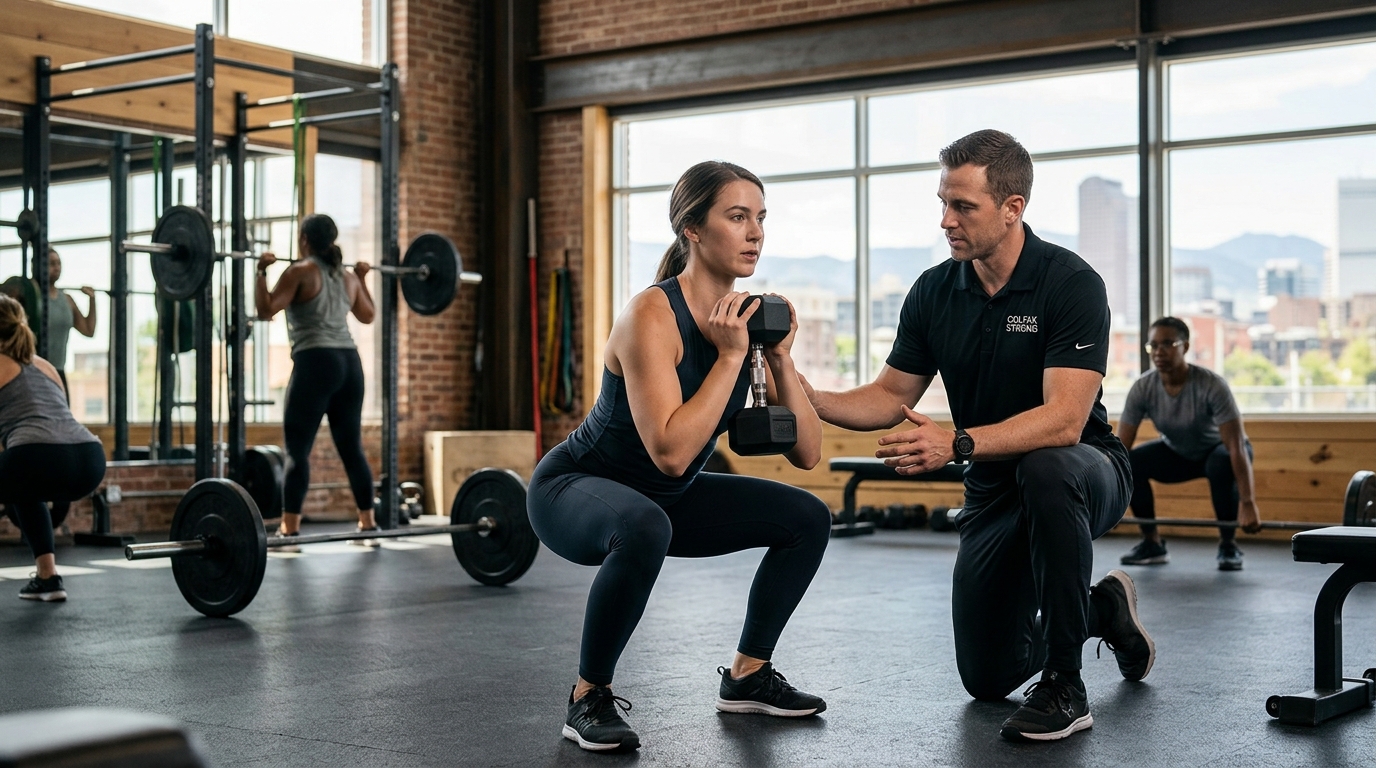
Finding reliable strength and conditioning programs requires careful evaluation of facility standards and coaching credentials. According to the Centers for Disease Control and Prevention, adults who engage in structured resistance training experience a forty percent reduction in chronic injury rates over five years. This data highlights why location-specific facility standards matter for long-term athletic development. Prospective clients must evaluate square footage, equipment quality, and coach-to-athlete ratios before committing to a membership. Denver offers several premium training environments that prioritize functional movement patterns and progressive overload methodologies.
Evaluating Facility Standards and Equipment Quality
Strength and conditioning is a specialized fitness discipline focused on improving athletic performance through systematic resistance training and metabolic conditioning. Modern training facilities must provide adequate square footage to accommodate multiple athletes without compromising safety or movement quality. Denver's premier training centers typically exceed nine thousand square feet to ensure proper spacing between stations. This spatial requirement allows coaches to monitor form without crowding the training floor. High-end commercial gyms often install premium Rogue equipment to withstand heavy loads and high-impact movements. Prospective members should verify that their chosen facility maintains equipment to manufacturer specifications. Regular maintenance schedules prevent mechanical failures and extend the lifespan of critical lifting platforms. Visit our facility to inspect the equipment layout firsthand.
Comparing Coaching Methodologies and Specializations
Semi-private coaching is a training format that pairs two to four athletes with a single certified instructor to optimize feedback while maintaining cost efficiency. Elite coaching staffs typically hold certifications from recognized governing bodies like the National Strength and Conditioning Association. According to the American College of Sports Medicine, certified instructors who specialize in periodized programming generate faster strength adaptations than general fitness trainers. Coaches must demonstrate proficiency in multiple movement patterns including squats, deadlifts, and Olympic lifts. Specialized tracks often emerge to address specific demographic needs such as postpartum recovery or senior mobility. Certified coaching standards ensure that every session follows evidence-based progression models. You can explore our specialized coaching pathways by reviewing our about page.
Understanding Program Structures and Commitment Levels
Periodization is a structured training methodology that cycles intensity and volume to prevent plateaus and reduce overuse injuries. Most Denver training centers offer flexible commitment tiers to accommodate busy professionals and students. Drop-in sessions provide immediate access to scheduled classes without long-term financial obligations. Semi-private groups deliver consistent scheduling while fostering peer accountability. Full-time personal training packages assign a dedicated coach to track progress across multiple metrics. Drop-in access allows newcomers to test facility culture before committing to a monthly plan. Hybrid models combine individualized attention with group energy to maximize engagement. Athletes preparing for competitive events often require specialized programming that integrates sport-specific drills. Hybrid training programs bridge the gap between recreational fitness and competitive athletics.
Analyzing Nutrition Integration and Accountability Systems
Recovery protocols extend far beyond the training floor and directly influence long-term adaptation rates. Modern transformation frameworks integrate customized meal planning with daily habit tracking to accelerate results. Data shows that athletes who follow structured nutritional guidelines alongside resistance training achieve twenty percent faster body composition changes. Coaches monitor sleep quality, stress levels, and hydration markers to adjust training loads accordingly. Accountability systems require daily check-ins that address both gym performance and lifestyle factors. Evidence-based recovery practices ensure that athletes recover optimally between sessions. Our comprehensive 12-Week Transformation Program embeds these nutritional frameworks directly into your weekly schedule.
Reviewing Community Culture and Member Retention Metrics
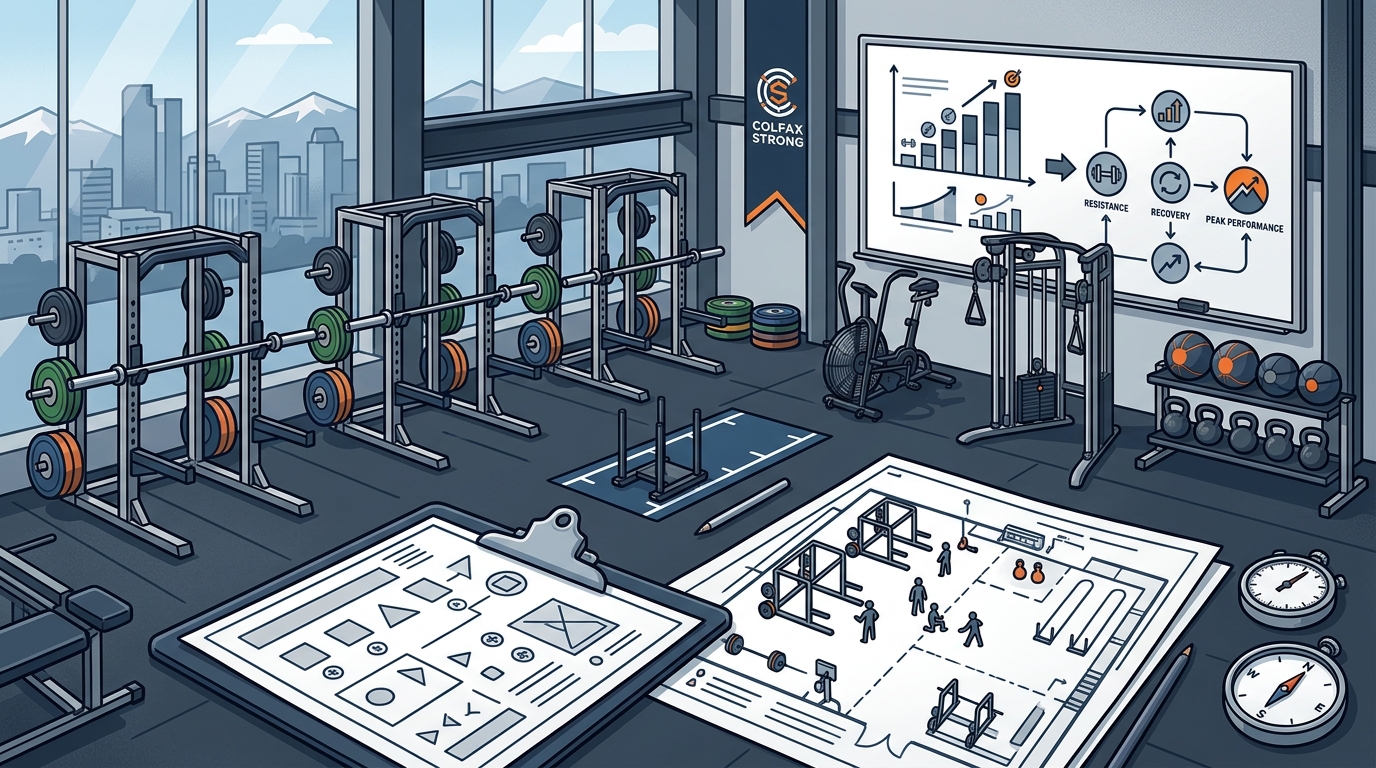
Facility atmosphere directly correlates with long-term adherence and consistent attendance rates. Successful training centers cultivate environments that prioritize mutual respect and inclusive progression. Members consistently report higher satisfaction when coaches acknowledge personal milestones and celebrate collective achievements. High retention rates typically indicate that staff members prioritize relationship building over transactional sales tactics. Community-driven gyms often host social events, skill workshops, and seasonal challenges to maintain engagement. Community-driven engagement strategies significantly reduce dropout rates during the critical first ninety days. You can observe our member interactions by browsing our recent blog posts.
Selecting Your Optimal Training Environment
Choosing the right facility requires matching your specific goals with the appropriate service tier. Beginners benefit from semi-private groups that provide foundational movement education without overwhelming isolation. Advanced athletes require individualized programming that tracks progressive overload across multiple exercise categories. Event-specific preparation demands specialized coaching that mimics competition stressors and pacing requirements. Group training sessions offer an excellent middle ground for individuals seeking social motivation. Evaluate each facility based on equipment quality, coach credentials, and cultural alignment before signing any agreements. Schedule a complimentary introduction to experience the training environment firsthand.
| Program Type | Best For | Key Features | Access Method |
|---|---|---|---|
| One-on-One Training | Advanced athletes and rehabilitation clients | Customized programming and direct coach feedback | 12-Week Transformation |
| Semi-Private Coaching | Busy professionals seeking efficiency | Two to four athletes per instructor | Group Training |
| Drop-In Classes | Newcomers testing facility culture | Flexible scheduling without monthly contracts | Drop-In Access |
| Hybrid Athletic Clubs | Competitive event preparation | Sport-specific drills and pacing strategies | Hyrox Training Club |
Key Takeaways
- Facilities exceeding nine thousand square feet provide adequate spacing for safe movement patterns.
- Premium Rogue equipment installations withstand heavy loads and high-impact training demands.
- Certified coaching staffs specialize in Olympic lifting techniques and women's fitness recovery.
- Structured 12-Week Transformation frameworks integrate customized nutrition with daily accountability.
- Core community values emphasize humility, hunger, and happiness across all membership tiers.
- Hybrid athletic programs bridge recreational fitness and competitive event preparation.
Frequently Asked Questions
What qualifications do your coaches hold?
All instructors maintain current certifications from nationally recognized governing bodies. Coaches complete ongoing education in biomechanics, injury prevention, and nutritional science. Our team specializes in diverse demographic needs including postpartum recovery and senior mobility.
How does semi-private coaching differ from individual sessions?
Semi-private sessions pair two to four athletes with a single certified instructor. This format reduces per-person costs while maintaining direct coach feedback. Group dynamics foster peer accountability and consistent scheduling.
Can I try a class before committing to a membership?
Drop-in access allows newcomers to experience scheduled classes without long-term obligations. You can attend multiple sessions to evaluate facility culture and equipment quality. Complimentary introductions provide a risk-free way to assess program compatibility.
What equipment is available on the training floor?
Facilities utilize premium Rogue equipment to withstand heavy loads and high-impact movements. Dedicated open gym areas accommodate independent training sessions. All stations maintain regular manufacturer inspection schedules.
How are nutrition plans customized for individual goals?
Customized meal planning aligns directly with your specific training schedule and metabolic needs. Coaches adjust macronutrient ratios based on weekly performance metrics and recovery markers. Daily habit tracking ensures consistent progress toward body composition targets.
What is the typical duration of a transformation program?
Most structured frameworks span twelve weeks to allow sufficient time for physiological adaptation. Coaches monitor progressive overload across multiple exercise categories. Regular assessments adjust programming to prevent plateaus and maintain engagement.
Begin Your Training Journey Today
Locating the right strength and conditioning facility requires matching your specific objectives with proven coaching methodologies. Denver offers multiple premium environments that prioritize functional movement patterns and progressive overload. Schedule your complimentary introduction to experience our facility firsthand. Visit our homepage to explore available programs and book your first session.