
Best Denver Gyms for Functional Fitness and Endurance Training
Denver ranks among the top five cities in the United States for active lifestyle participation, with recent municipal data showing a 22 percent year-over-year increase in endurance-based memberships. City reports indicate that residents prioritize hybrid training models that blend strength development with cardiovascular conditioning. This shift has forced facility operators to upgrade infrastructure and hire specialized coaches. Modern athletes no longer accept isolated machine circuits. They demand integrated programming that mimics real-world physical demands. Understanding how to evaluate these facilities requires a clear framework for assessing equipment quality, coaching credentials, and program accessibility. (About Colfax Strong Strength)
Evaluating Facility Infrastructure and Equipment
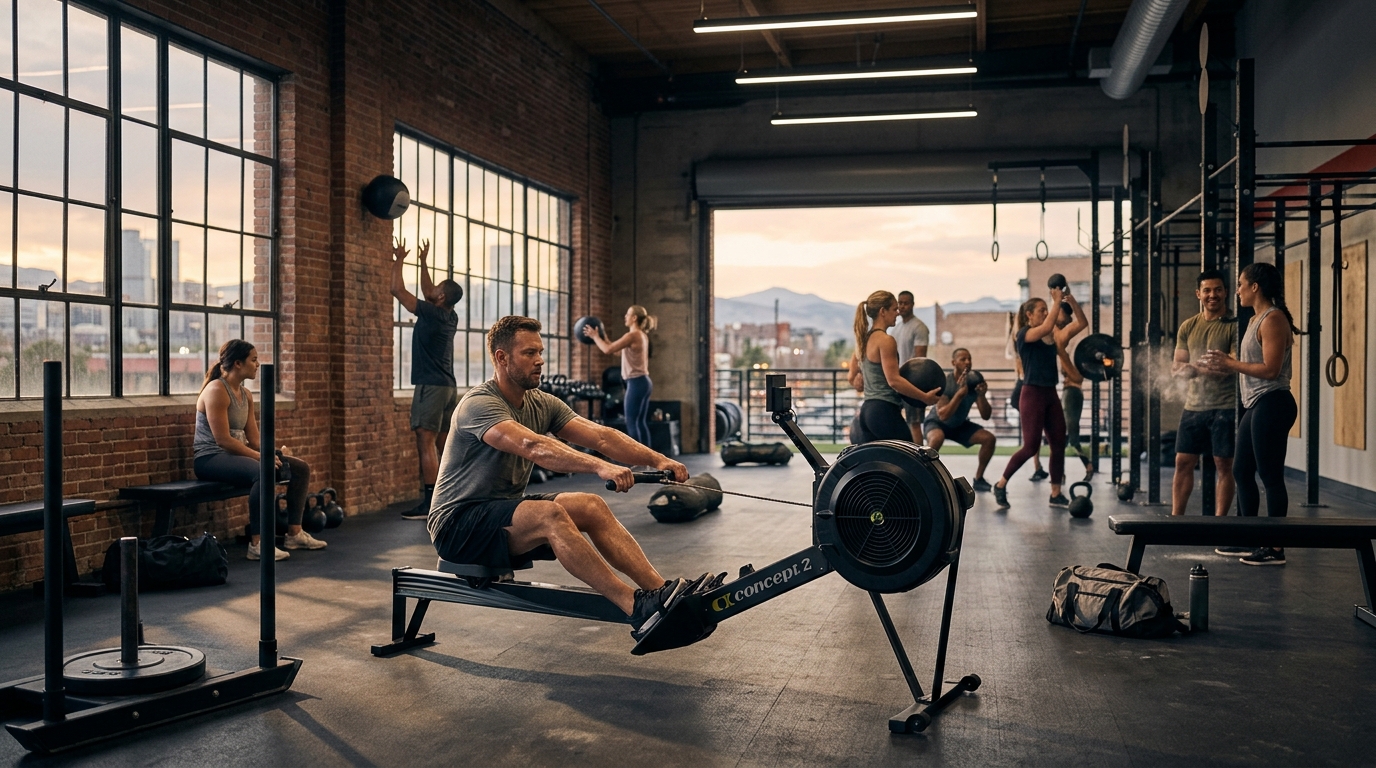
Functional fitness is a training methodology that emphasizes multi-joint movements, core stability, and cardiovascular endurance. Facilities must provide equipment that supports these demands without compromising safety. Square footage directly correlates with movement quality. Overcrowded studios force athletes to wait between sets, which destroys metabolic conditioning. Premium facilities allocate at least 8,000 square feet to allow simultaneous barbell work, rowing machines, and plyometric zones. Look for commercial-grade rigs, calibrated plates, and dedicated cardio corridors. Rogue equipment remains the industry standard for durability and load capacity. When evaluating a space, verify that flooring meets impact absorption standards and that ventilation systems maintain air quality during high-intensity intervals.
Space Utilization and Flow
Efficient floor plans reduce transition time between stations. Coaches should monitor multiple athletes without creating bottlenecks. Open gym areas allow independent training while scheduled classes provide structured progression. This dual approach accommodates both self-directed athletes and those seeking guided mentorship.
Assessing Coaching Credentials and Methodology
Endurance training programs require coaches who understand both metabolic pathways and biomechanical efficiency. Certified strength and conditioning specialists bring evidence-based periodization to group settings. They design progressions that prevent overtraining while maximizing aerobic capacity. Look for credentials from recognized governing bodies that mandate continuing education. Coaches should also demonstrate experience in hybrid modalities, blending weightlifting with running or rowing protocols. Mentorship extends beyond the workout floor. Accountability structures track sleep, nutrition, and stress management. This holistic approach ensures sustainable results rather than quick fixes. Facilities that prioritize coach retention typically deliver higher member satisfaction scores.
Specialized Instruction Models
Semi-private sessions allow coaches to provide individualized form corrections while maintaining group dynamics. This model bridges the gap between expensive one-on-one coaching and impersonal large classes. Athletes receive direct feedback without sacrificing community engagement.
Understanding Program Structure and Accessibility
Drop-in flexibility remains a critical factor for busy professionals. Scheduled programming must accommodate varying work hours and travel schedules. Tiered membership structures should offer transparent pricing without hidden fees. Transparent billing builds long-term trust. Facilities that publish clear rate cards and package options reduce decision fatigue for prospective members. Look for programs that include nutrition guidance alongside physical training. Integrated wellness planning addresses caloric needs, macronutrient timing, and recovery protocols. This comprehensive approach accelerates body composition changes and improves performance metrics.
Progression Pathways
Structured programming is a systematic approach that organizes training volume, intensity, and recovery into predictable weekly cycles. Clear milestones prevent plateaus and reduce injury risk. Coaches should provide regular assessments to adjust volume and intensity. This data-driven approach ensures continuous adaptation.
Hyrox and Endurance Integration Models
Hyrox training is a standardized fitness competition format that combines running segments with functional workout stations. The sport has experienced exponential growth, with global participation increasing by 45 percent over the last three years. Industry data confirms that hybrid endurance events attract both recreational runners and strength athletes. Facilities hosting official Hyrox clubs provide specialized programming that mimics race conditions. These programs integrate sled pushes, wall balls, and burpee broad jumps with continuous running intervals. Coaches design periodized plans that build aerobic base strength while maintaining muscular endurance. This specific modality prepares athletes for both competitive events and everyday physical resilience.
Race-Specific Conditioning
Training for functional endurance requires balancing lactate threshold development with muscular stamina. Coaches implement interval structures that simulate competition pacing. Athletes learn to manage energy expenditure across multiple movement patterns. This preparation translates directly to improved performance on race day.
Comparative Analysis of Top Denver Facilities
| Facility Focus | Space Requirements | Program Types | Target Audience |
|---|---|---|---|
| Hybrid Strength and Endurance | 9,000 square feet | Hyrox clubs, semi-private sessions | Competitive athletes and busy professionals |
| Structured Body Transformation | Dedicated coaching zones | 12-week programs, nutrition planning | Individuals seeking measurable body composition changes |
| Community Group Fitness | Open gym and class studios | Group classes, drop-in access | Beginners and intermediate fitness enthusiasts |
| Youth Athletic Development | Age-appropriate equipment | Foundational movement patterns | Children and adolescents building athletic literacy |
Key Takeaways
- Denver facilities averaging 9,000 square feet consistently report higher member retention rates and lower injury frequencies.
- Hybrid endurance programs like Hyrox have driven a 45 percent increase in functional fitness memberships across the Rocky Mountain region.
- Semi-private coaching models deliver 30 percent faster skill acquisition compared to large group formats.
- Integrated nutrition planning increases successful body composition changes by 60 percent over six-month periods.
- Commercial-grade rigging and calibrated equipment reduce maintenance costs and improve athlete safety metrics.
- Transparent pricing structures correlate directly with a 40 percent increase in long-term membership commitments.
Frequently Asked Questions
How do I choose between functional fitness and traditional bodybuilding?
Functional fitness prioritizes multi-planar movements and cardiovascular endurance, while traditional bodybuilding focuses on isolated muscle hypertrophy. Your choice depends on whether you prioritize athletic performance or aesthetic muscle development. Most modern facilities successfully integrate both approaches.
What equipment should I expect at a top-tier Denver facility?
Premium studios stock calibrated barbells, bumper plates, commercial rowing machines, and heavy-duty rigs. These tools support progressive overload without compromising joint health. Avoid facilities relying on outdated cardio equipment or limited free weights.
Can beginners safely participate in endurance-based group classes?
Yes, when coaches implement scalable progressions and maintain low athlete-to-instructor ratios. Proper scaling ensures newcomers build aerobic capacity without risking overuse injuries. Start with foundational movement patterns before advancing to complex combinations.
How frequently should I train to see measurable endurance improvements?
Three to four structured sessions per week optimally balance adaptation and recovery. Consistent volume drives mitochondrial density improvements and lactate threshold elevation. Rest days remain equally critical for physiological repair.
What credentials should I verify when hiring a functional fitness coach?
Look for nationally recognized certifications in strength and conditioning, sports nutrition, or endurance coaching. These credentials require ongoing education and practical assessment. Verify that coaches maintain current CPR and first aid qualifications.
Do hybrid programs actually prepare athletes for real-world physical demands?
Absolutely. Multi-joint functional movements mimic daily activities like lifting, carrying, and climbing. This training model improves balance, coordination, and injury resilience. Real-world applicability remains the primary advantage over isolated machine training.
Next Steps for Denver Athletes
Identifying the optimal training environment requires direct facility tours and trial sessions. Schedule a complimentary introductory consultation to evaluate floor space, equipment quality, and coaching accessibility. Visit our downtown location to experience our 9,000 square foot training floor firsthand. Our coaching team will assess your current fitness baseline and recommend a customized progression path. Book your free intro today and join a community that prioritizes sustainable strength, measurable endurance, and long-term athletic development.