
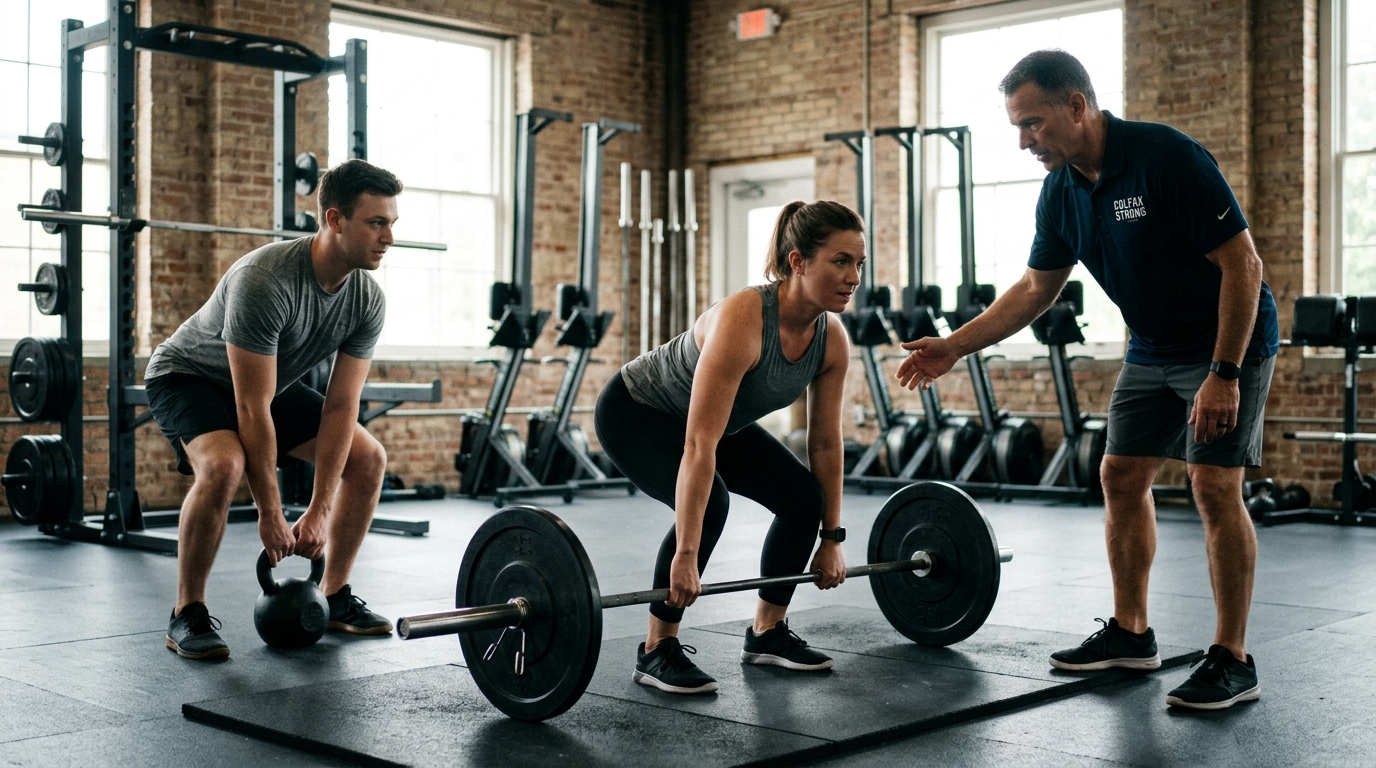
Starting a strength training journey is often misunderstood as simply lifting heavier weights. In reality, the evolution of beginner strength is a complex physiological adaptation process that requires patience, precision, and professional guidance. Most beginners don't fail because they lack discipline. Rather, because they're following a program that was never built for where they're actually starting from. At Colfax Strong Strength & Conditioning, we believe that safe, inclusive community support is the missing link for most beginners. This guide outlines the critical phases of building a strength foundation, ensuring you move from uncertainty to confidence with every rep.
Phase One: Mastering the Foundation
The first stage of the evolution of beginner strength is not about intensity; it is about mechanics. Many newcomers rush into high-intensity interval training or heavy lifting without establishing a baseline of movement competency. This is a common pitfall that leads to injury and early dropout. Form precedes load is the golden rule of strength coaching.
During this initial phase, the focus shifts to neuromuscular adaptation. Your brain must learn to communicate effectively with your muscles. This process involves learning proper squat depth, hinge patterns for deadlifts, and push-pull mechanics. At Colfax Strong, we prioritize a zero-intimidation environment where beginners can practice these movements without fear of judgment. Our coaches provide real-time feedback to ensure that every movement is safe and effective.
Functional fitness is built on these basic movements. Whether you are carrying groceries up three flights of stairs or playing with your children, the strength you build in the gym translates directly to daily life. By focusing on compound movements like squats, lunges, and rows, you engage multiple muscle groups simultaneously. This approach maximizes efficiency and builds a balanced physique. For more insights on functional fitness, you can explore our blog resources dedicated to practical training advice.
Phase Two: Progressive Overload Mechanics
Once foundational movements are secure, the next step in the evolution of beginner strength is progressive overload. This concept refers to the gradual increase of stress placed upon the body during exercise training. Without progressive overload, the body has no reason to adapt, and strength gains plateau. Research indicates that adults lose 3 to 8 percent of muscle mass each decade after age 30, making early intervention critical for long-term health.
Progressive overload does not always mean adding more weight to the bar. It can also involve increasing the number of repetitions, improving the tempo of the movement, or reducing rest periods between sets. This nuanced approach prevents plateaus and keeps the training stimulus fresh. Our personal training programs are designed to automatically adjust these variables based on your weekly performance.
Tracking your progress is essential during this phase. At Colfax Strong, we utilize InBody scans every 90 days to provide objective data on your body composition changes. This data-driven approach removes the guesswork from fitness. You can clearly see how your body is changing, which serves as powerful motivation to continue. For a deeper dive into how we track member progress, visit our about page to learn about our coaching methodology.
Phase Three: Nutritional Support for Growth
Strength training is only half the equation. The evolution of beginner strength is heavily dependent on nutrition. You cannot out-train a poor diet, especially when trying to build muscle or lose fat. Nutrition provides the raw materials your body needs to repair muscle tissue and fuel high-intensity workouts.
Protein is the most critical macronutrient for strength athletes. It provides the amino acids necessary for muscle protein synthesis. Carbohydrates fuel your workouts, while fats support hormonal health. Balancing these three components is key to optimizing your results. Our nutrition coaching services help members understand how to eat for their specific goals, whether that is weight loss, muscle gain, or improved athletic performance.
Hydration is another often-overlooked factor. Dehydration can significantly reduce strength and endurance. Aim to drink water consistently throughout the day, not just during your workout. Simple dietary adjustments, such as adding a protein shake post-workout or swapping refined carbs for whole grains, can yield significant improvements in recovery and energy levels. For more tips on nutrition, check out our fitness journal.
Phase Four: Community and Accountability
The final and perhaps most important phase of the evolution of beginner strength is community. Fitness is inherently social, and having a support system can dramatically increase your likelihood of success. A strong community provides accountability, encouragement, and a sense of belonging. This is the core mission of Colfax Strong Strength & Conditioning.
Our gym is designed to be a safe, all-inclusive community of like-minded people who are strong, fast, and committed to being kind, caring, and compassionate. We welcome individuals of all backgrounds, ages, and fitness levels. Our LGBTQ+ inclusive environment ensures that everyone feels welcome and respected. This supportive atmosphere reduces anxiety and makes the gym a place you actually want to visit.
Accountability partners can help you push through tough workouts and stay consistent on days when motivation is low. Group training classes offer a unique energy that individual workouts cannot replicate. The collective effort of the group lifts you up, both physically and mentally. To see how our community operates, view our gym info page for details on our facility and culture.
Program Comparison for Beginners
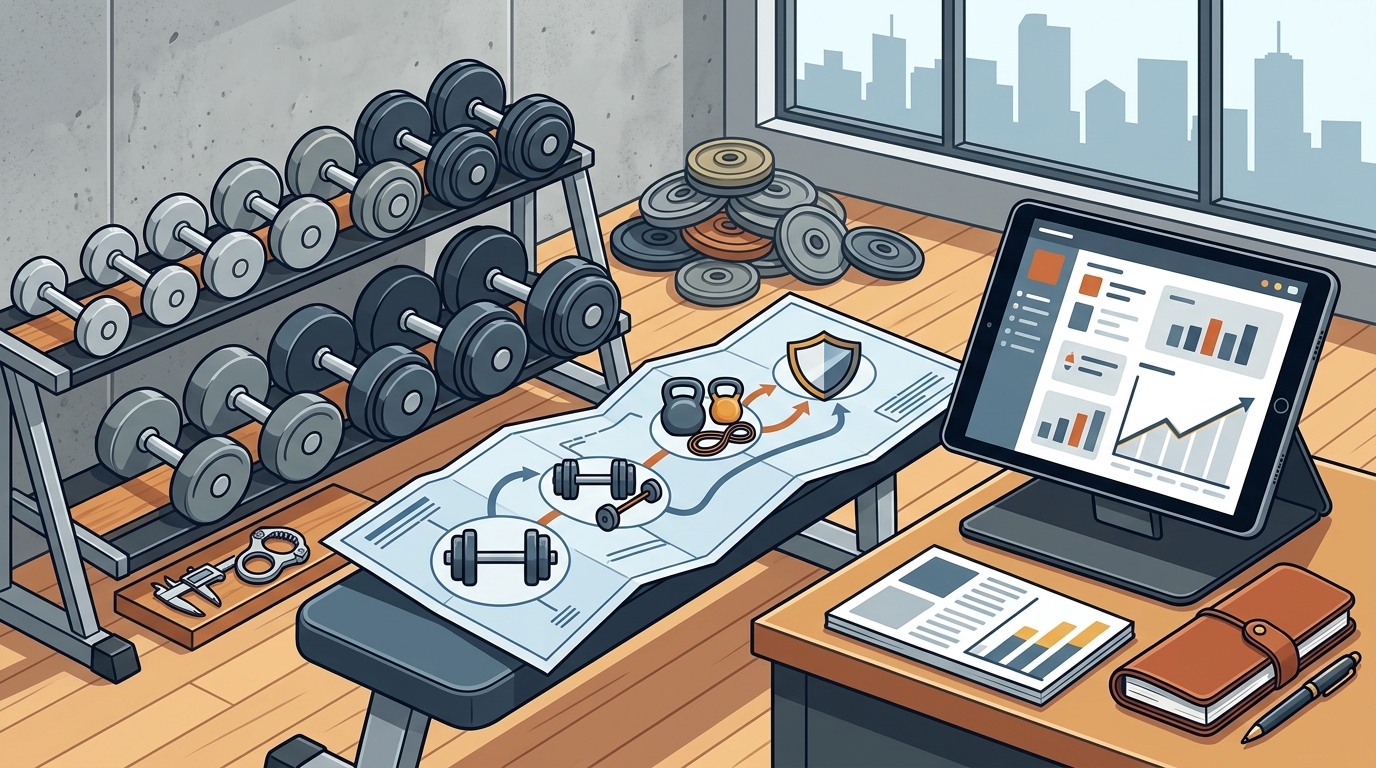
Choosing the right program is crucial for a successful start. Below is a comparison of our primary offerings for beginners, highlighting the key differences in structure and support.
| Program Type | Best For | Key Benefit | Coaching Level |
|---|---|---|---|
| Group Training | Social motivation, budget-conscious | High energy, community support | Coach-led, small group |
| Personal Training | Specific goals, fast results | 100% customized plan | 1-on-1 expert attention |
| Semi-Private Training | Balance of cost and attention | Personalized feedback, partner support | Small group (2-4 people) |
| 12-Week Transformation | Comprehensive lifestyle change | Structured roadmap, accountability | Full coaching package |
Key Takeaways
- Form First: Mastering movement mechanics is more important than lifting heavy weights in the beginning.
- Progressive Overload: Gradually increasing stress is required for continued strength gains and muscle growth.
- Nutrition Matters: Protein intake and hydration are critical for recovery and performance optimization.
- Community Support: A supportive, inclusive environment significantly improves consistency and long-term success.
- Data Tracking: Regular body composition scans provide objective evidence of progress and motivate continued effort.
- Professional Guidance: Certified coaches prevent injury and ensure efficient programming tailored to your needs.
- Consistency: Showing up regularly is the single most important factor in the evolution of beginner strength.
Frequently Asked Questions
How long does it take to see strength gains?
Neuromuscular adaptations occur within the first few weeks, but visible muscle changes typically take 8 to 12 weeks of consistent training. Our 12-week transformation program is designed to capitalize on this timeline.
Do I need to be in shape to start strength training?
Not at all. Our gym welcomes members of all fitness levels, from complete beginners to seasoned athletes. We provide the guidance you need to start safely.
What is the difference between group training and personal training?
Group training offers community energy and lower costs, while personal training provides 100% customized attention and faster results. Both are effective for the evolution of beginner strength.
Is Colfax Strong LGBTQ+ friendly?
Absolutely. We are proud to foster a highly inclusive environment, welcoming individuals of all backgrounds with a very strong LGBTQ+ membership. Our community is built on kindness and support.
How often should I train as a beginner?
For beginners, 2 to 3 days per week is often sufficient to see results while allowing for adequate recovery. Our coaches will help you build a schedule that fits your lifestyle.
Do I need to follow a strict diet?
Strict diets often lead to burnout. Instead, focus on balanced nutrition with adequate protein and hydration. Our nutrition coaching helps you find a sustainable approach.
What equipment do I need to start?
At Colfax Strong, we provide all necessary equipment. You only need to bring water, a towel, and a positive attitude. We have everything you need to thrive.
Start Your Journey
The evolution of beginner strength is a journey worth taking. By focusing on form, progressive overload, nutrition, and community, you can build a strong, healthy foundation that lasts a lifetime. Do not let fear or uncertainty hold you back. Take the first step today by booking a free introductory session with our expert coaches. Visit our pricing page to learn more about our membership options and find the perfect fit for your goals. Your future self will thank you.